Case Study
UFAB
What we did
Future Design
Business Design
Brand Design
Experience Design

" height="200px" id="a13FdZBMe" width="960px"/></svg>)
Manufacturing rarely collapses overnight. But over time, the logic that once defined industrial success starts to weaken.
Business Impact
—
Expanded UFAB’s strategic role in a changing industrial landscape
—
Shifted from production supplier to long-term performance partner
—
Expanded Total Addressable Market without putting existing revenue at risk
—
Reframed disconnected capabilities into one coordinated industrial offering
—
Expanded commercial relevance without disrupting existing business
—
Embedded continuous improvement into operational decision-making
—
Created conditions for resilient, performance-driven growth
For decades, performance was measured through output and efficiency. Today, something else is becoming increasingly valuable: the ability to continuously adapt, improve, and connect systems across production, technology, sustainability, and supply.
UFAB recognized that shift early.
The challenge was not declining relevance. It was untapped strategic potential. What lay ahead was not about producing more, but about building for what manufacturing is becoming.
Improvement used to happen in cycles. A problem appeared. Efficiency dropped. The organization responded. That logic no longer holds. Performance is now shaped continuously, through connected decisions across sourcing, production, competence, logistics, sustainability, and technology.
Instead of refining the old industrial model, UFAB asked a different question: what does a company built for continuous industrial performance actually look like?
Answering it meant rethinking how value was created internally. Machining and assembly became part of one system. Sustainability shifted from obligation to strategic advantage. Improvement became always on.
A more connected industrial logic took shape. UFAB’s role expanded from supplier to long-term performance partner, enabling continuous optimization across production, sales, and technology.
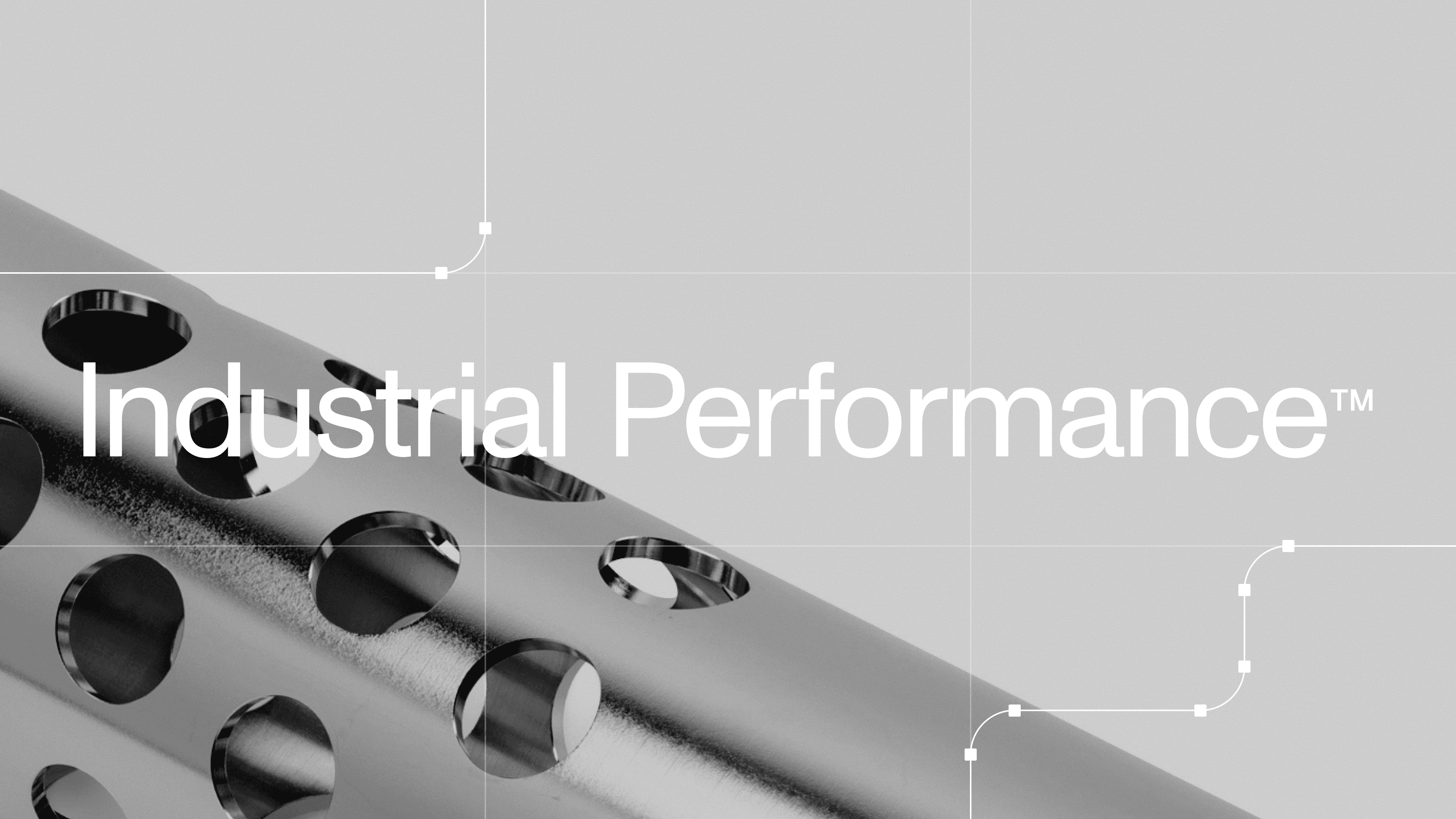
This became Industrial Performance. Not a campaign or positioning exercise, but a shared operating logic for how UFAB prioritizes, invests, collaborates, and improves over time.
Not to invent a new paradigm.
But to recognize the one already taking shape.
Framing the transformation
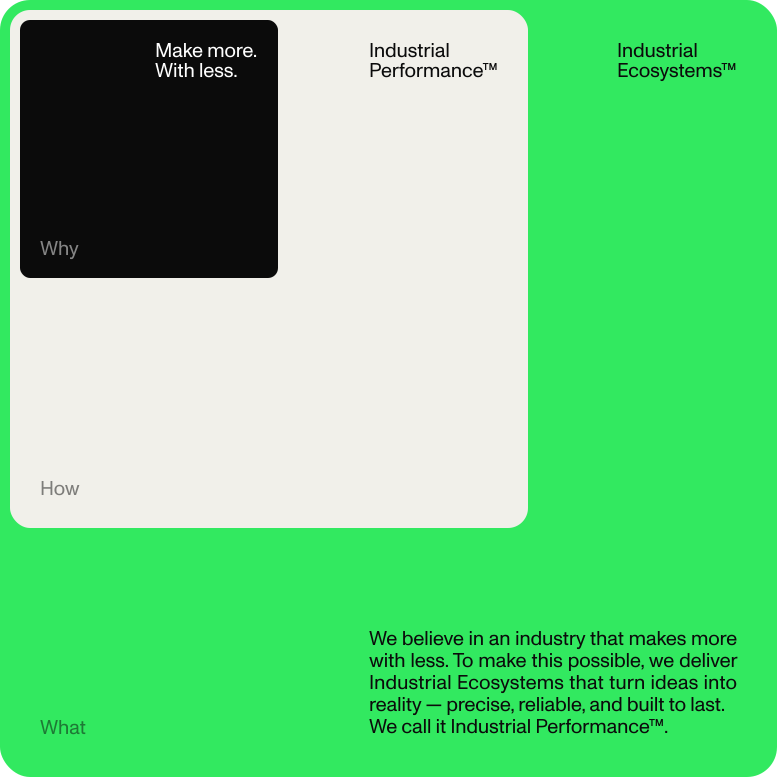
Make more with less became a guiding principle for how UFAB approached the future of manufacturing.
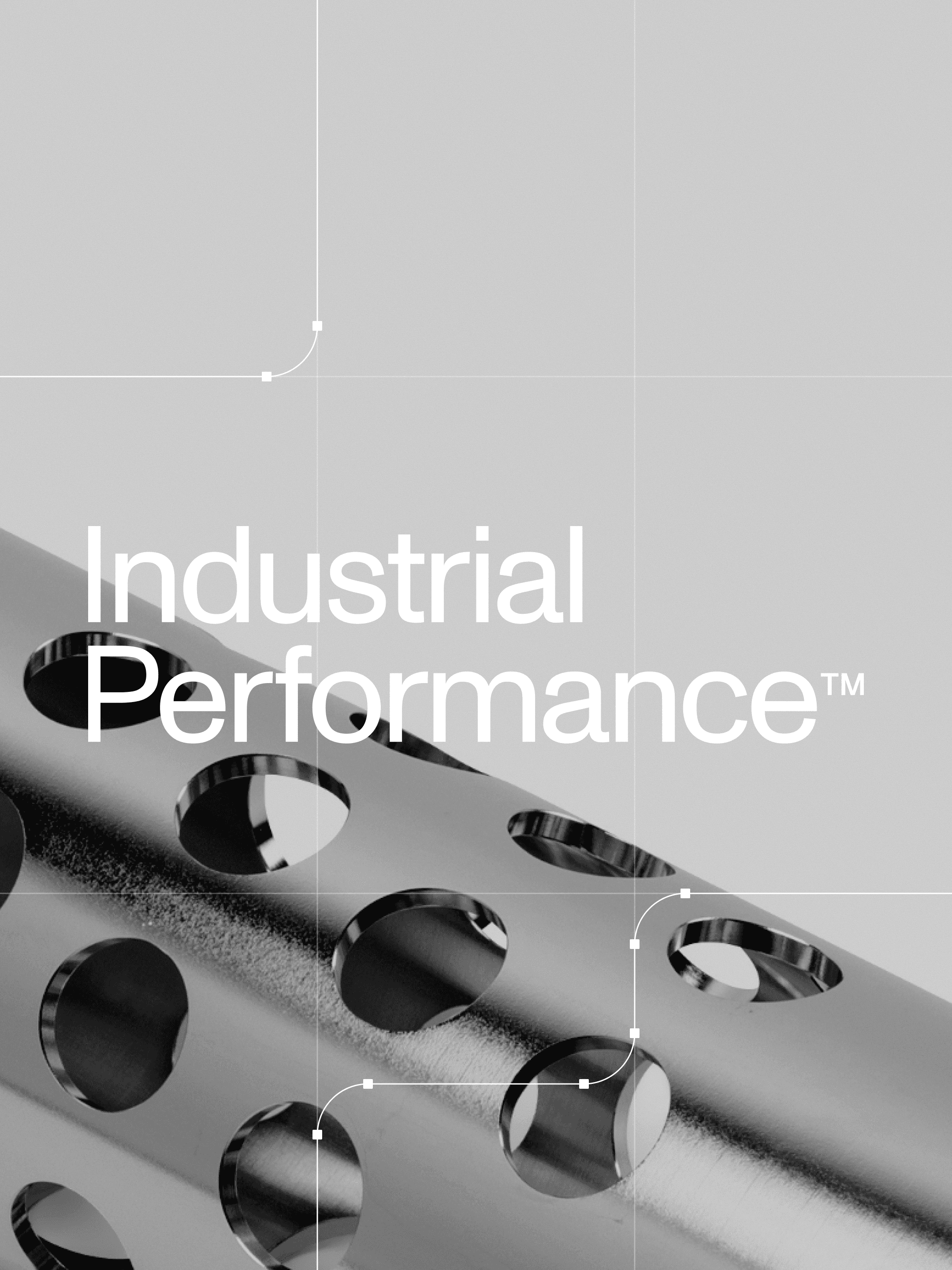
Industrial Performance™ defined that shift internally — a shared logic for continuous improvement, coordination, and long-term value creation.
Industrial Ecosystem™ became its external expression: connecting capabilities, processes, and partnerships into one coordinated industrial offering.
UFABs transformation
From Volume-driven
To Performance-driven
From Isolated improvements
To Always-on optimization
From Global supply
To Resilient production
From Operator-driven
To Competence-driven industry
From Sustainability as a requirement
To Sustainability as a business strategy
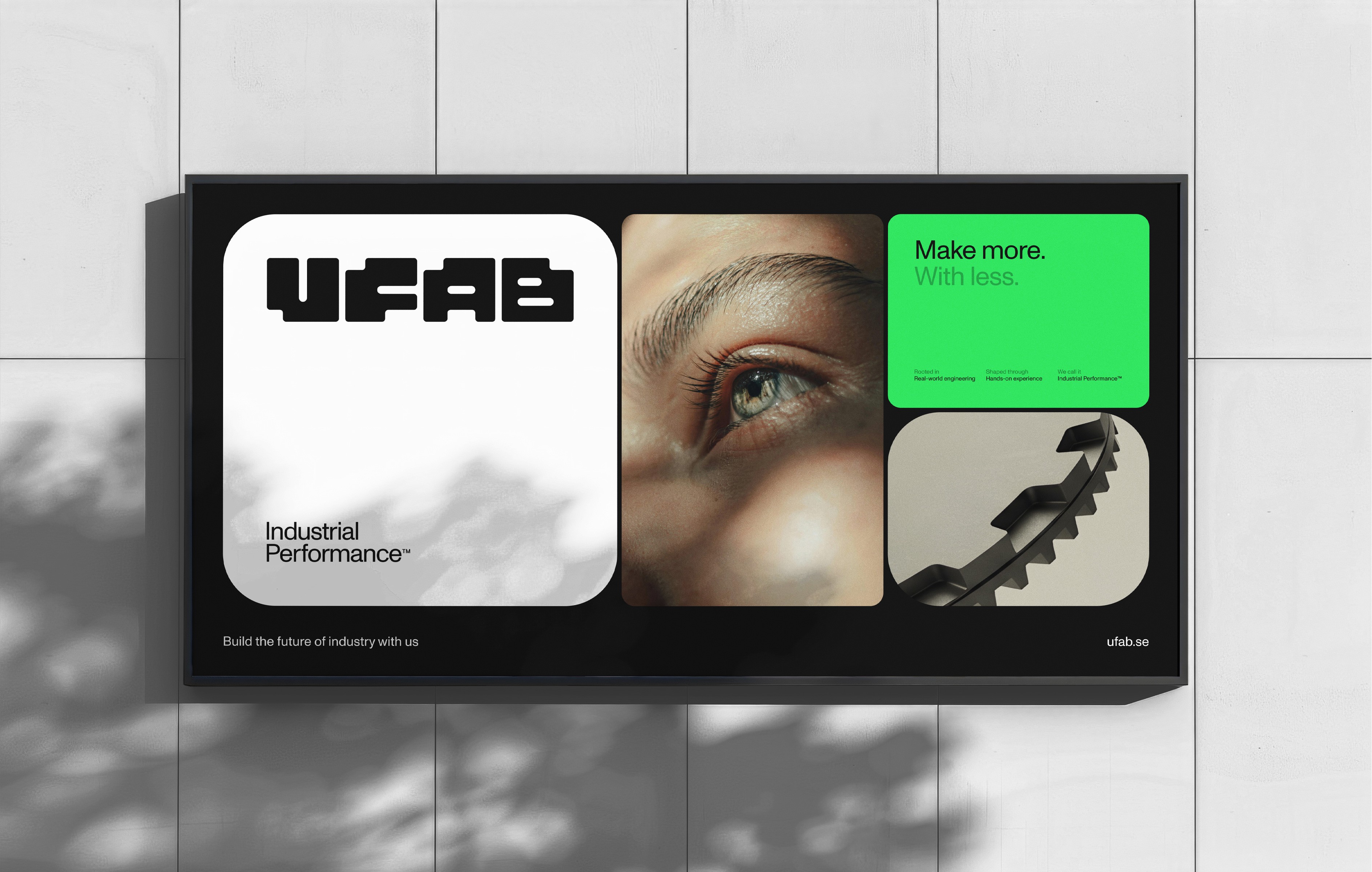
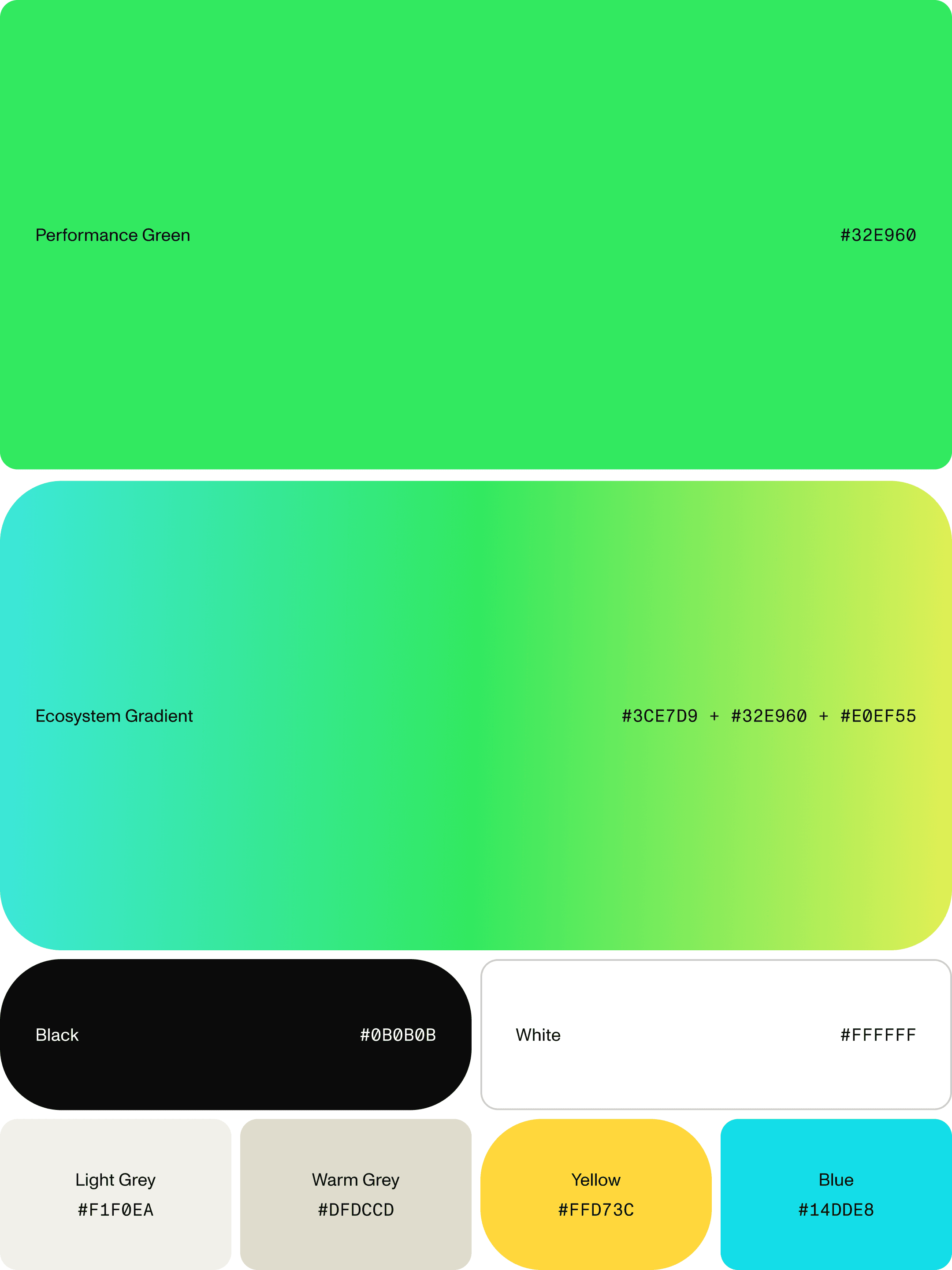

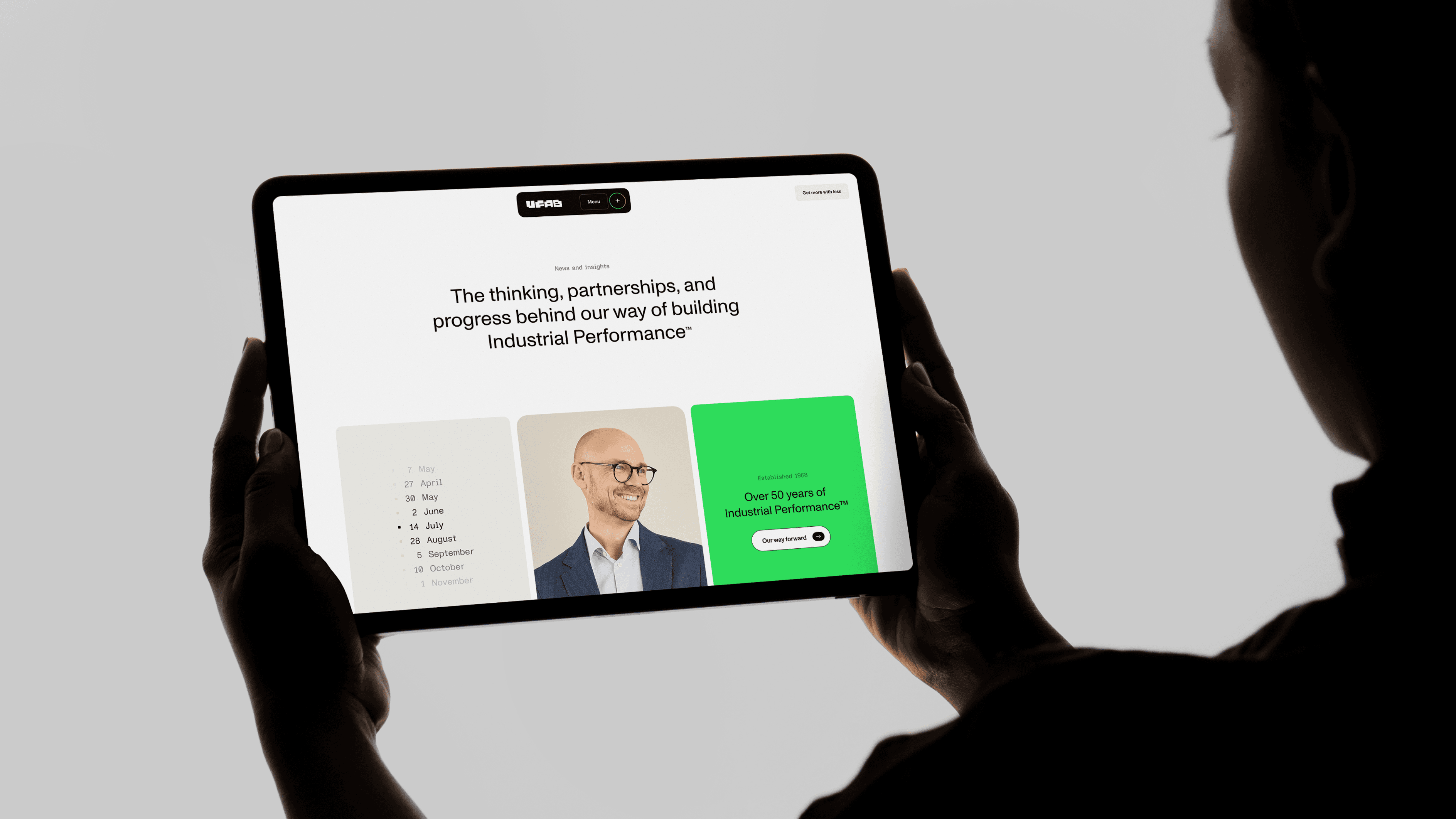
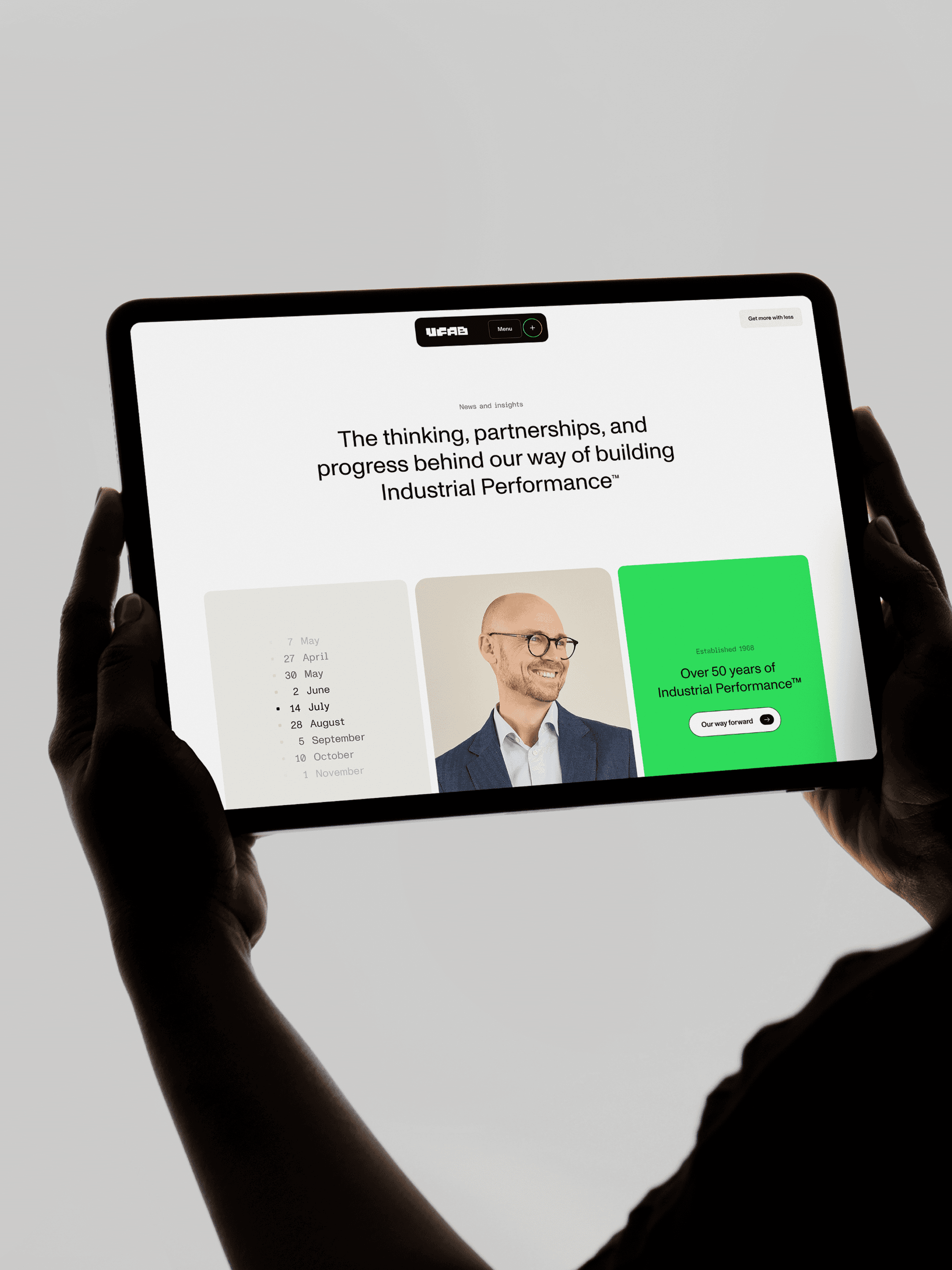
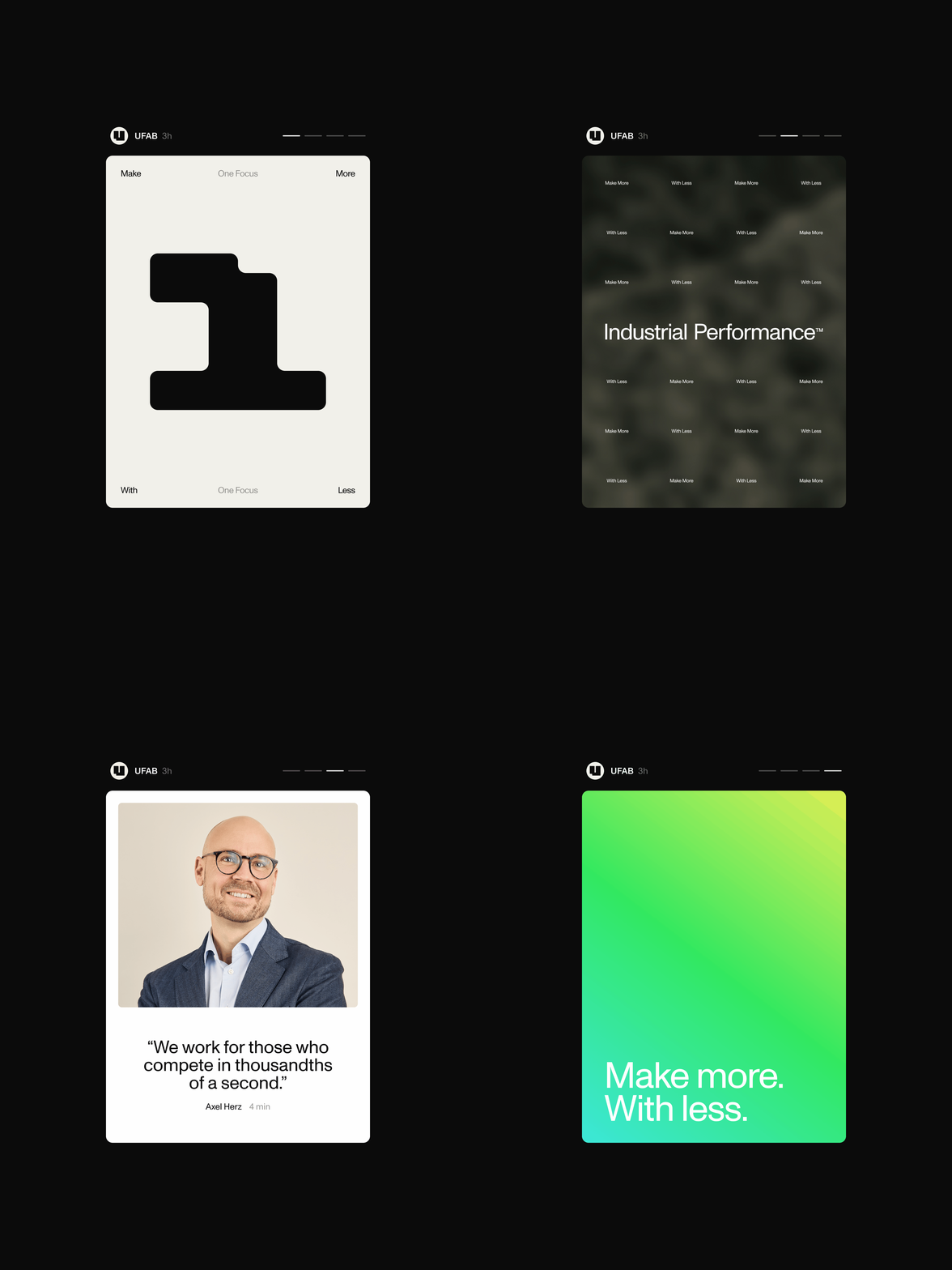
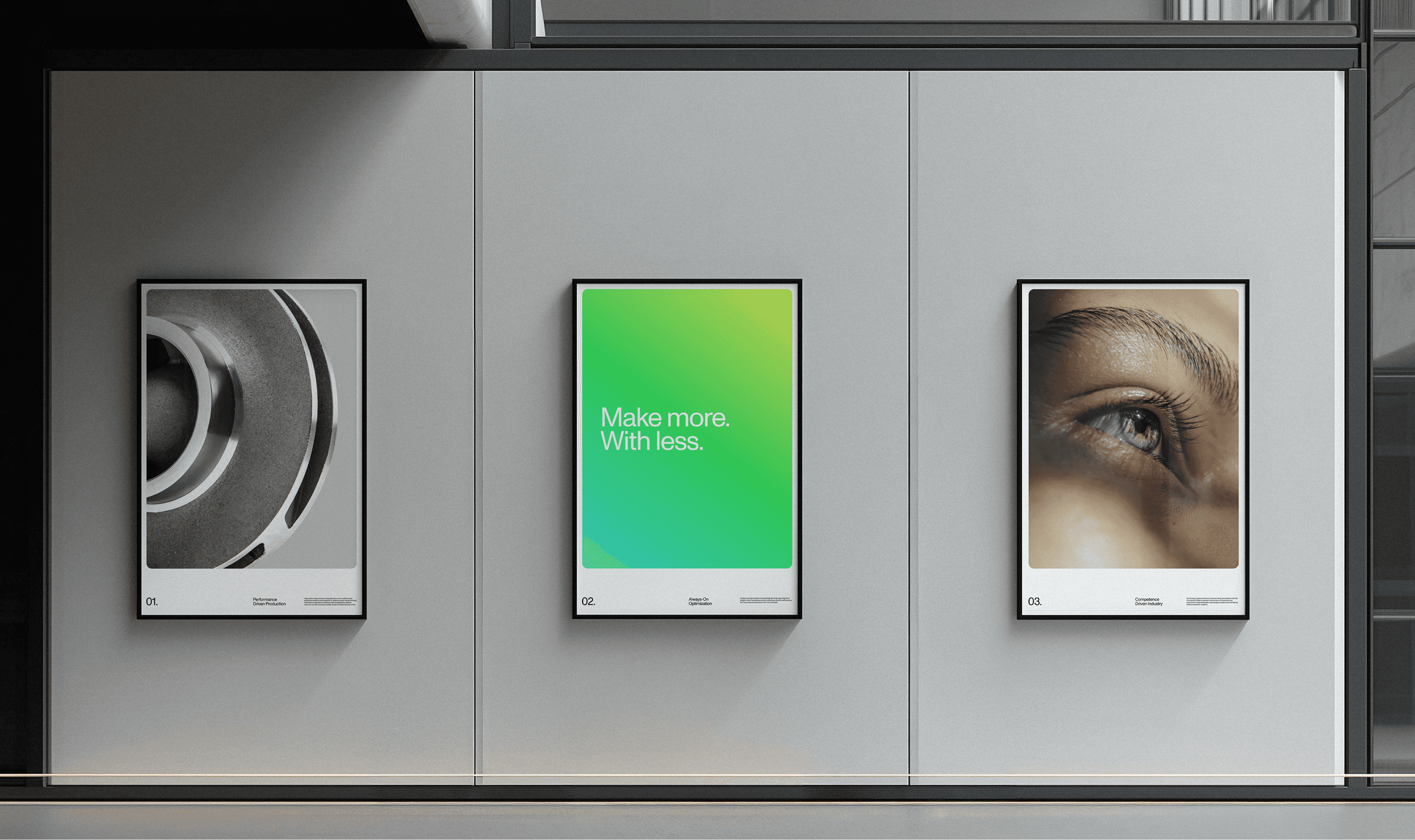
Portraits designed to highlight the people behind the industry — not only the machines they operate.
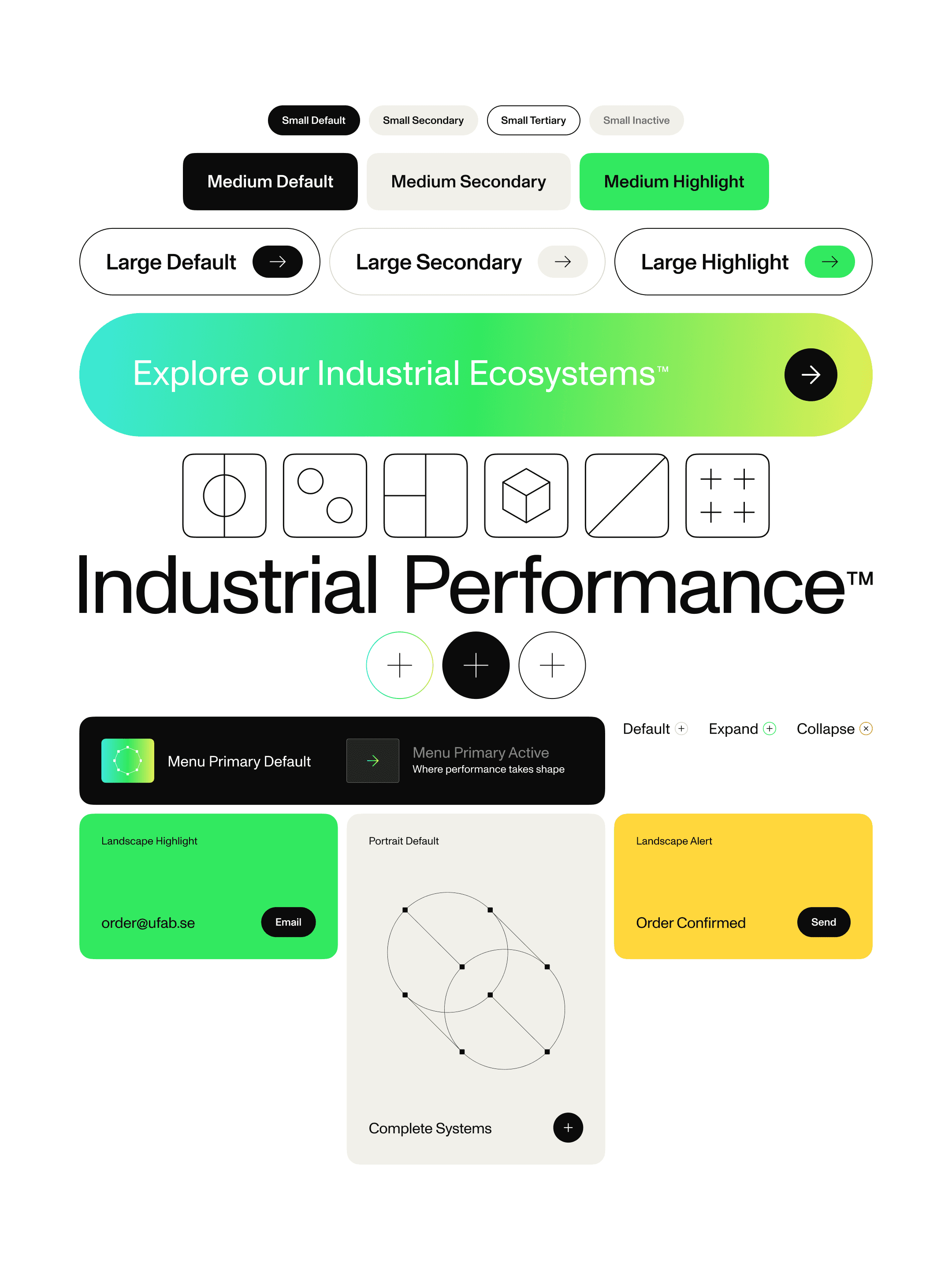
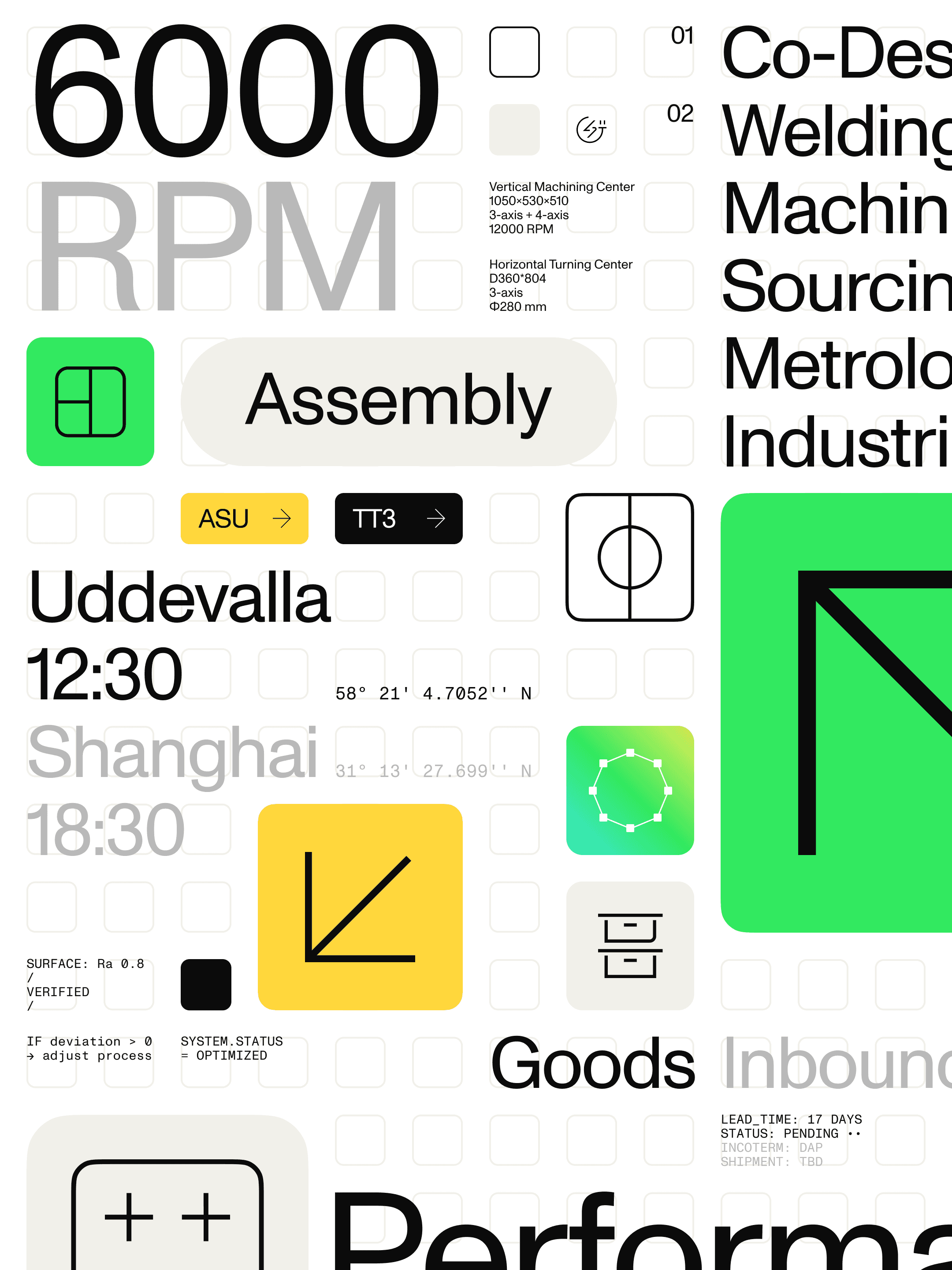
A modular node system inspired by precision, measurement, and the continuous flow of industrial data.
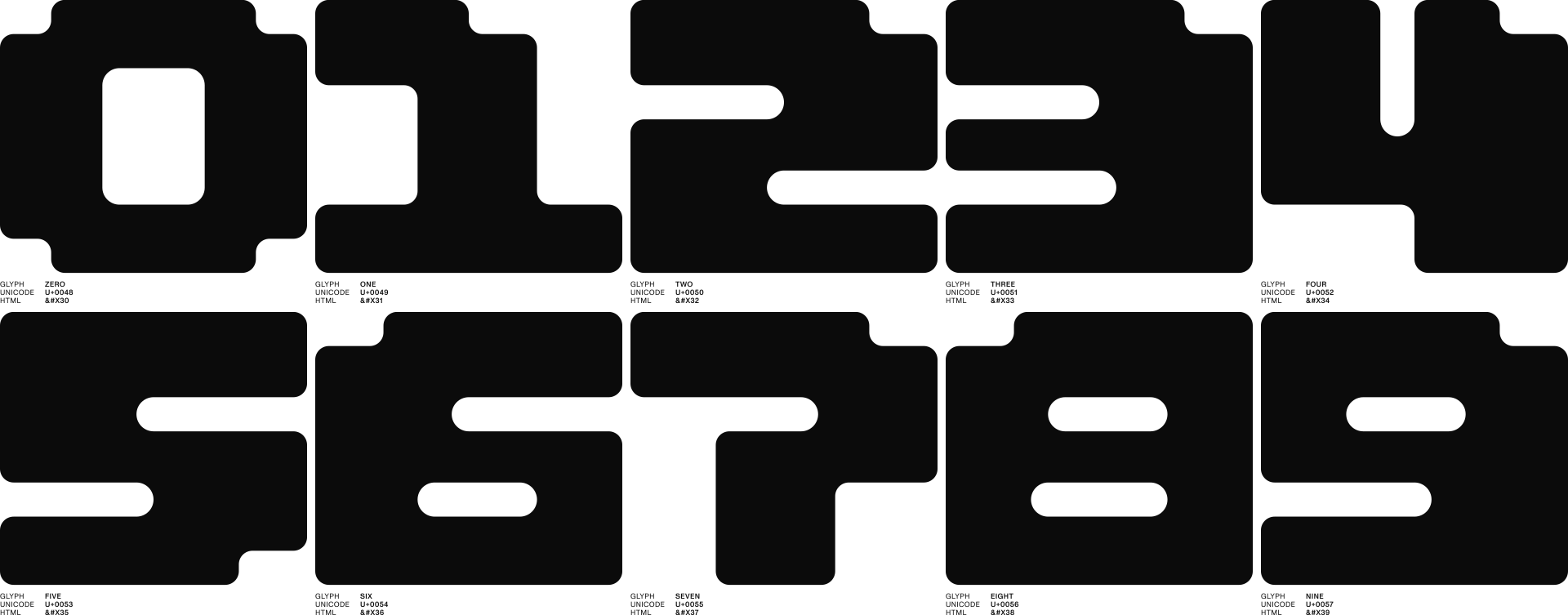
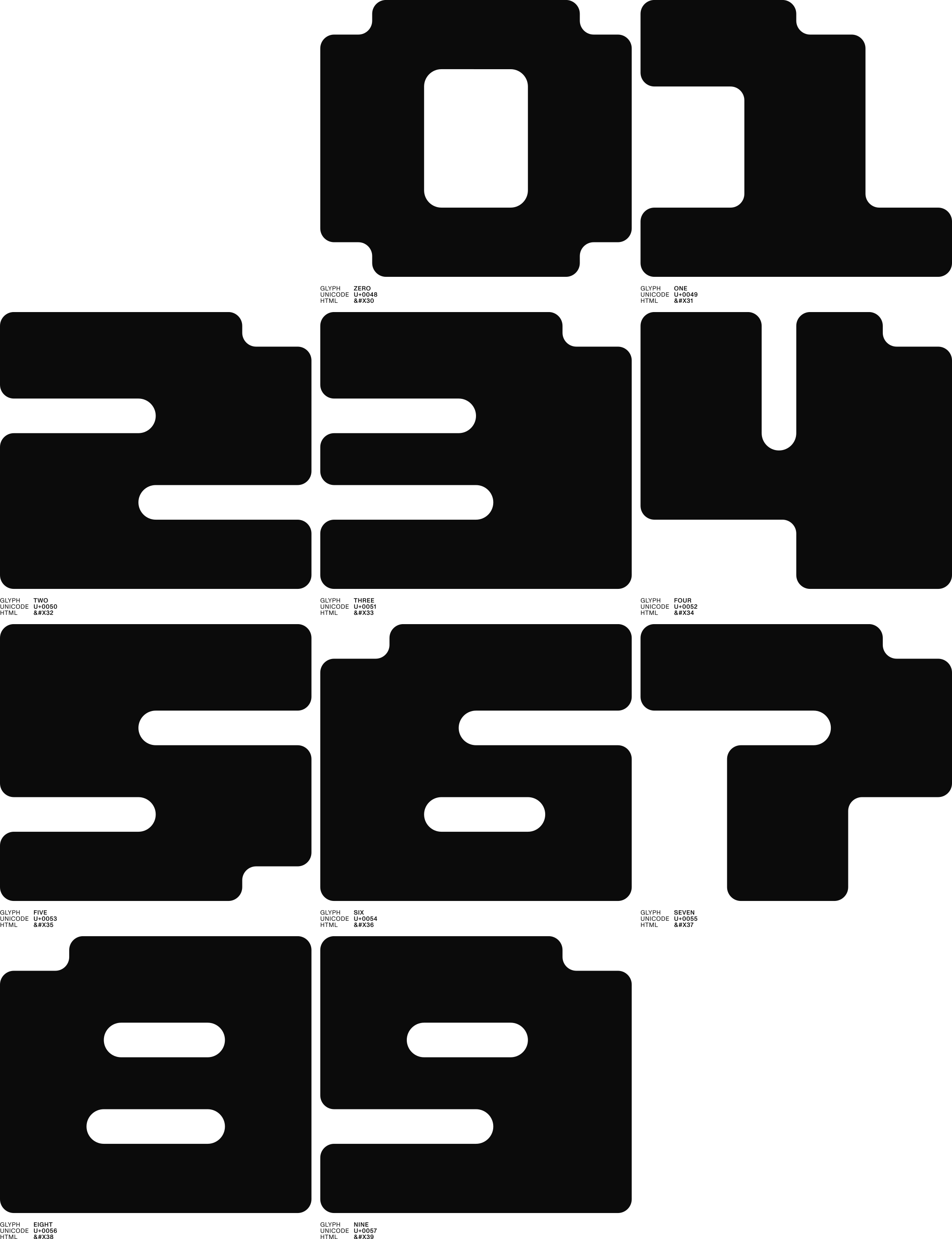
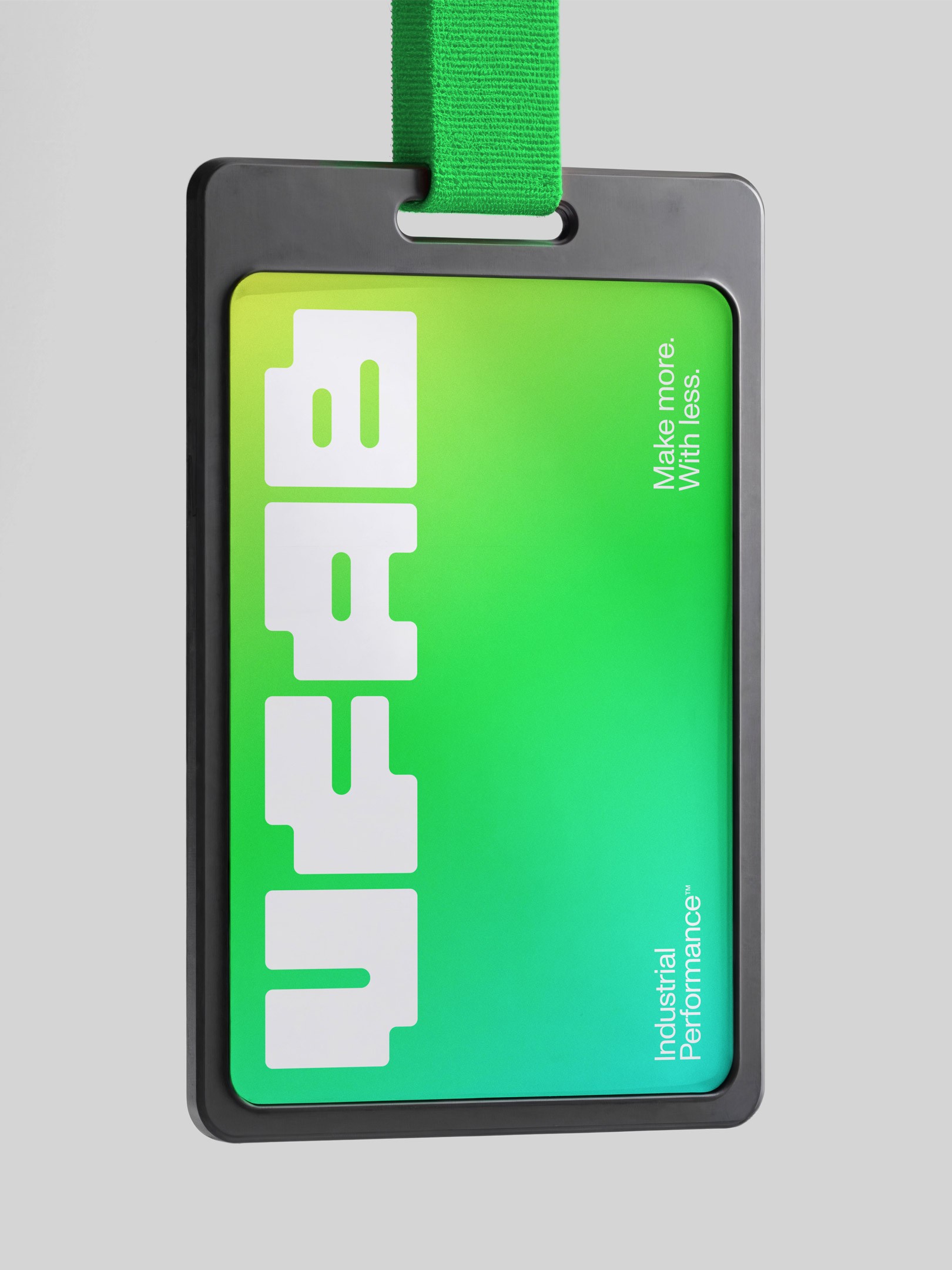
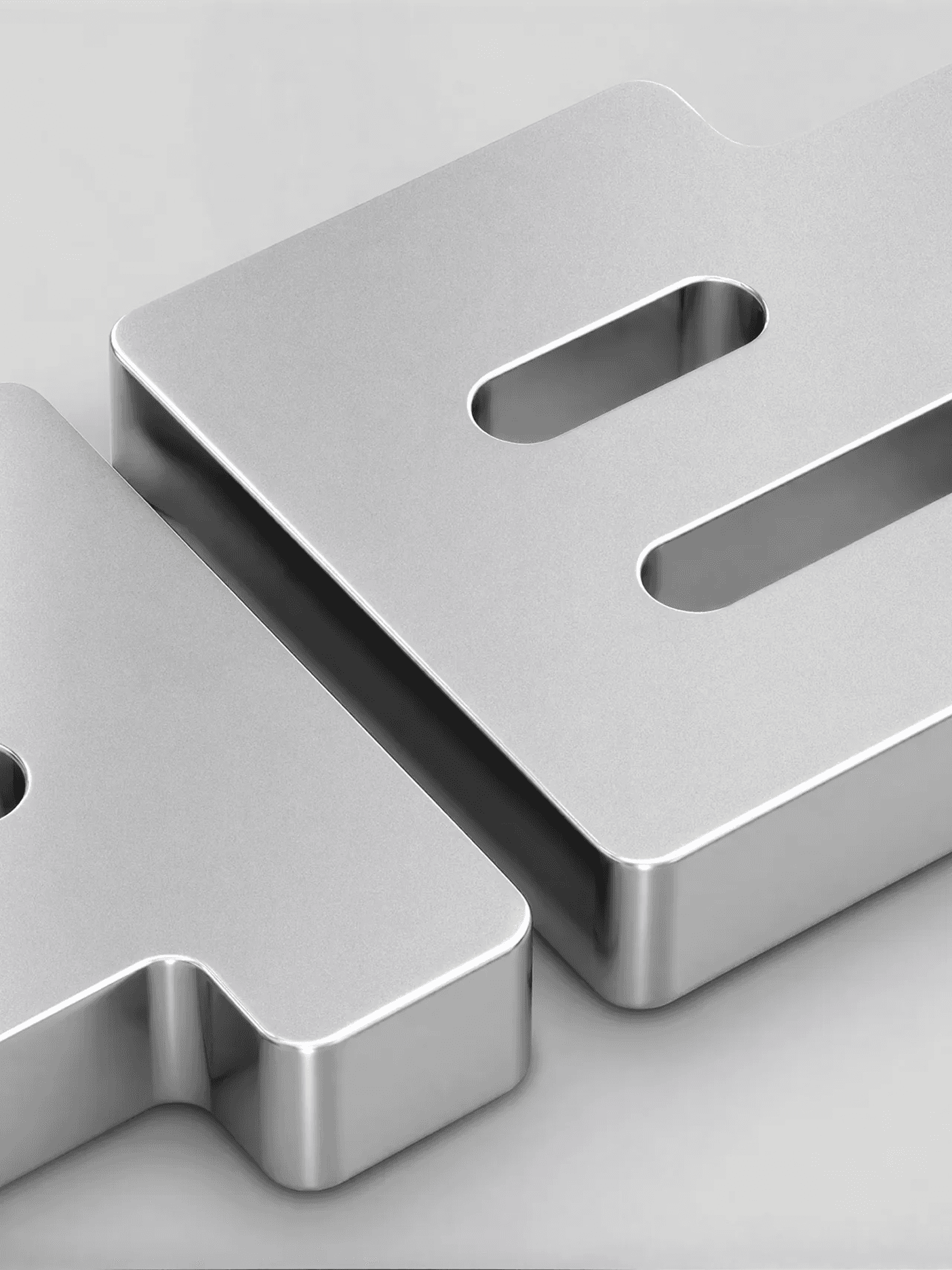
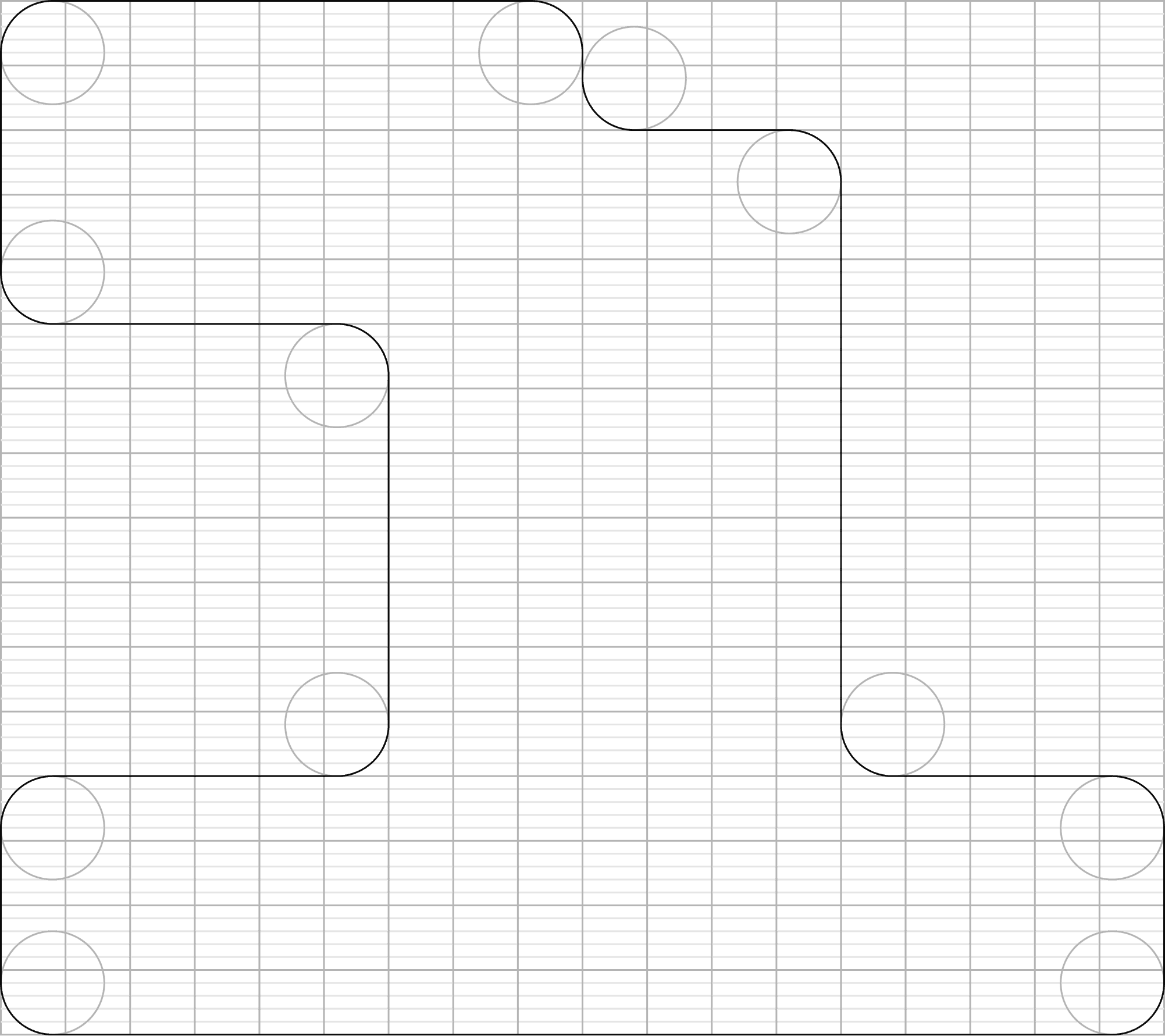
Custom logo inspired by the precision, geometry, and movement of CNC manufacturing.
Industrial value is shifting upstream
Industrial Ecosystem articulated a broader industrial role. Not machining. Not assembly. Not isolated capabilities in separate stages of production. But the ability to connect sourcing, logistics, industrialisation, quality, sustainability, data, machining, and assembly into one coordinated system.
That shift expanded the kind of value UFAB could create — from individual production capabilities to earlier decisions, more complex challenges, and long-term industrial performance.
Because the real value was never in the individual parts. It was in how they worked together.
Built from the same logic
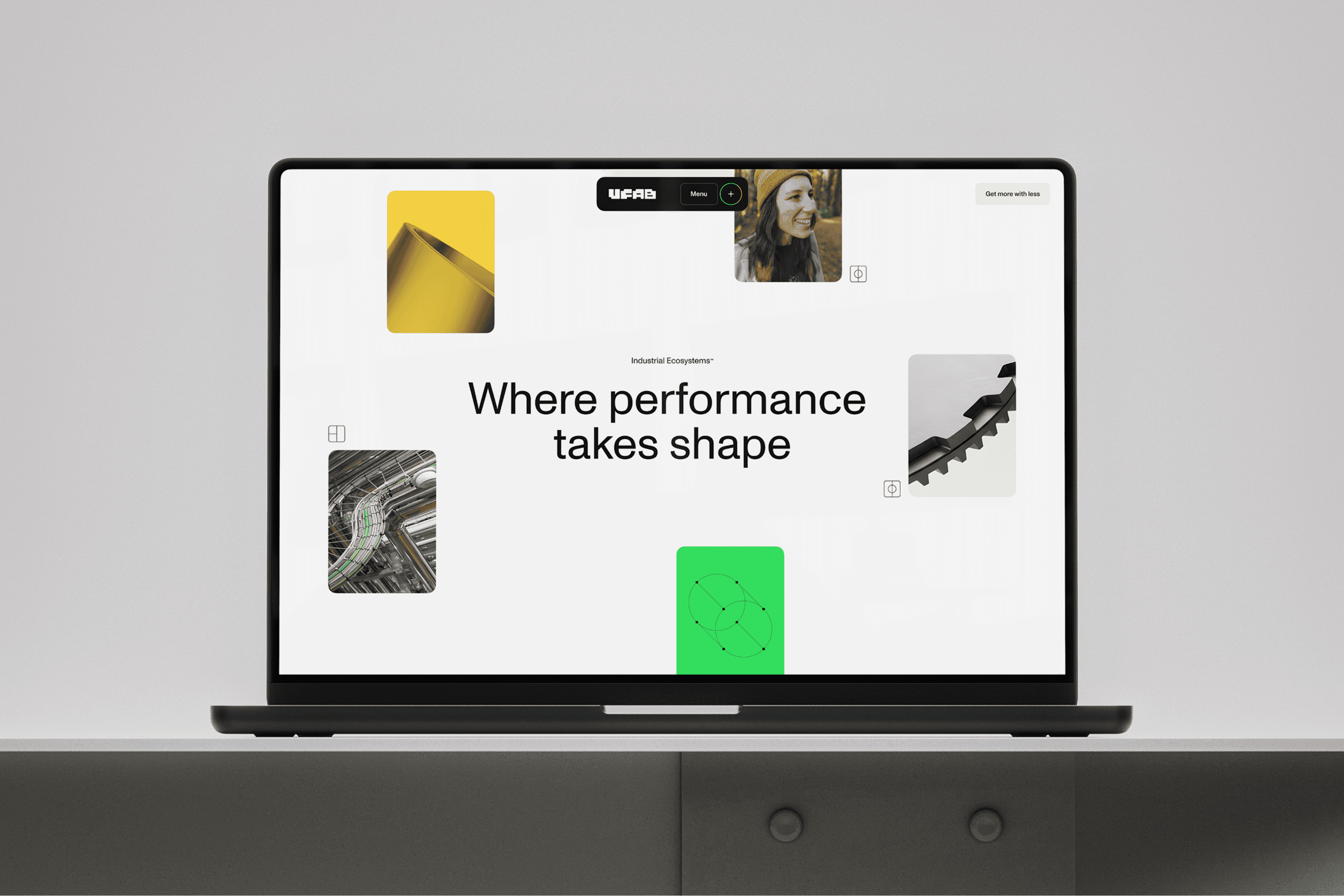
The modular structure of the identity system was inspired by how UFAB assembles systems in production — where individual parts are designed to connect, scale, and perform together over time.
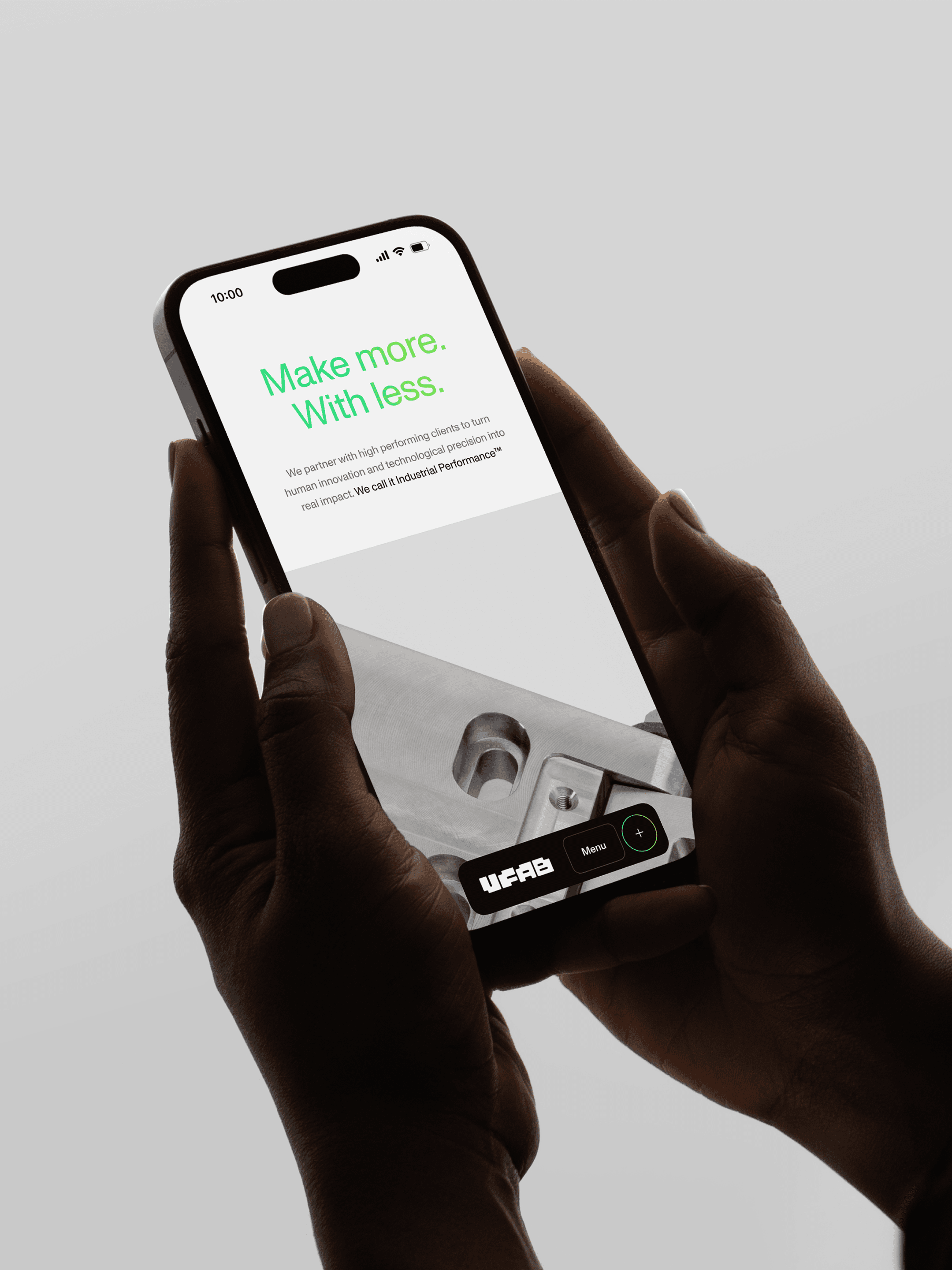
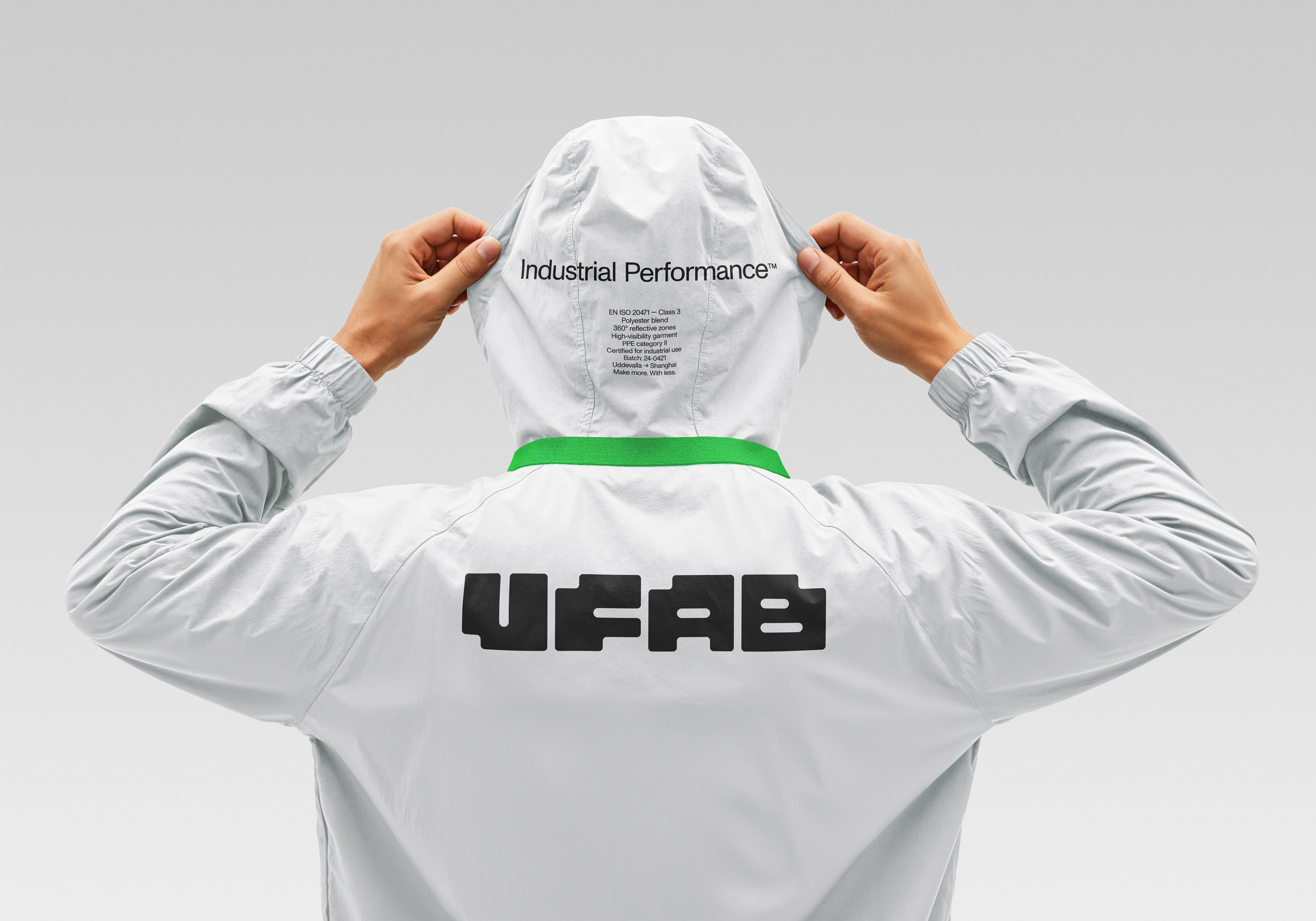
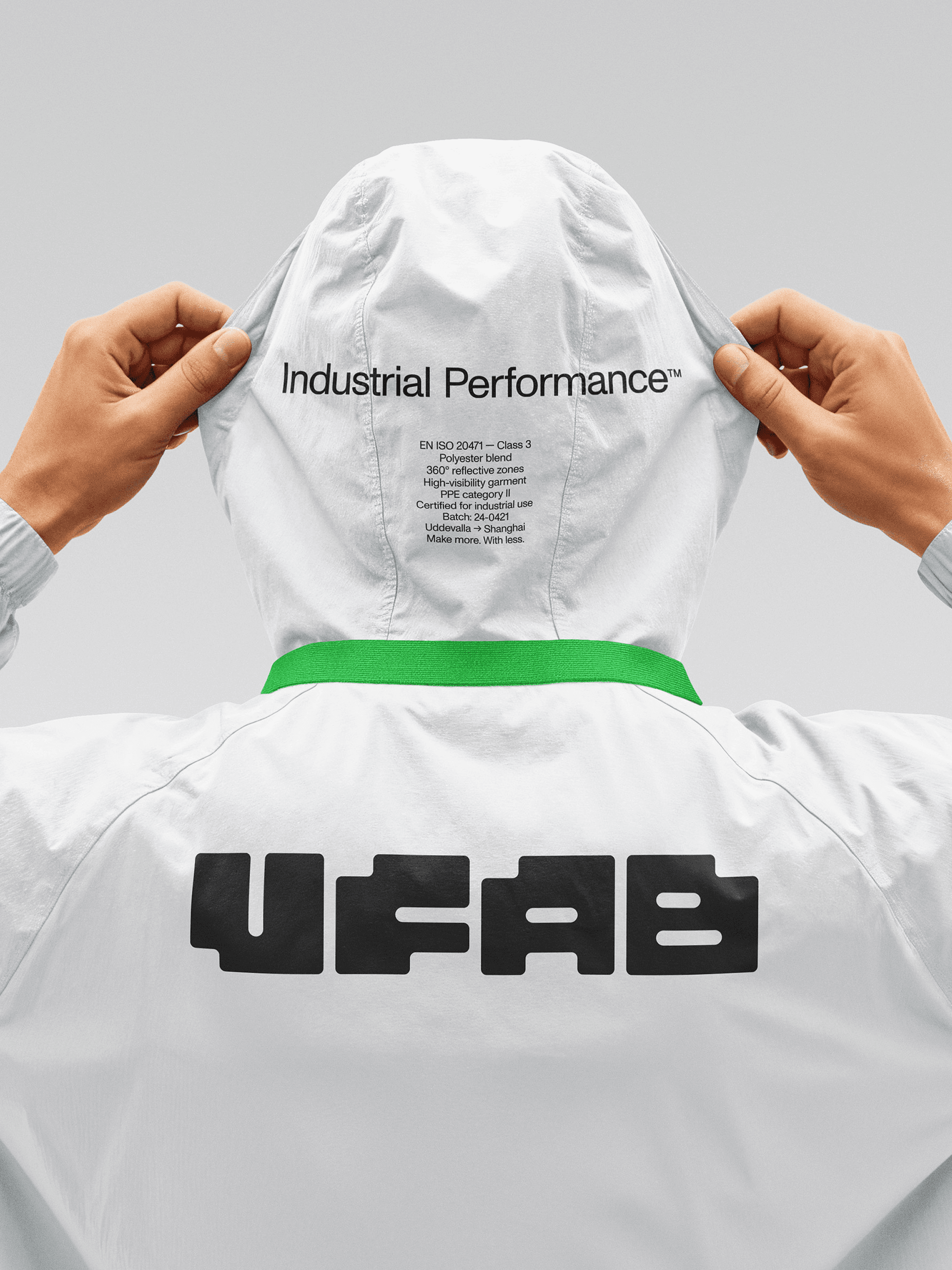
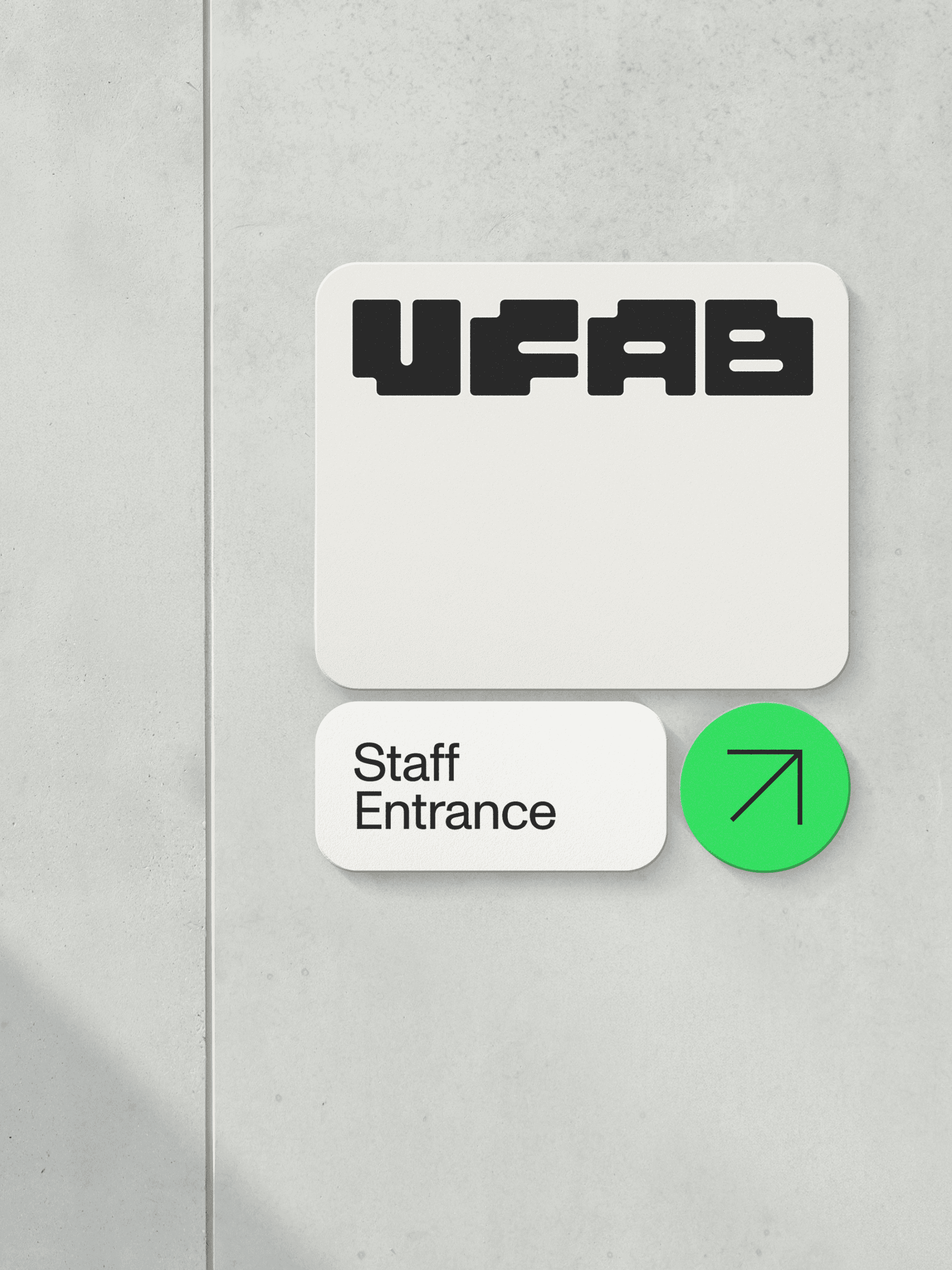
The same principle shaped everything from digital platforms and presentations to signage and physical applications.
Not as decoration, but as a way to embed the company’s industrial logic directly into how the brand operates and evolves.