Case Study
Makaregatorna
What we're doing
Brand Strategy
Naming
Identity System
Experience Design
Turning a collection of addresses into a place, without designing away what made it worth visiting.
In central Gothenburg, a collection of streets had quietly developed a character of its own.
Independent shops. Craftspeople. Bars, restaurants and specialists. Businesses built around personal expertise, often with the person behind the idea still standing behind the counter. A place where old and new, polished and worn, expected and slightly strange had accumulated side by side.
There was plenty of identity.
What was missing was a way to recognize it as one place.
Together with Wallenstam, the other property owners and the people running businesses in the area, we set out to create that shared identity.
Traditionally that is made by making a neighbourhood more consistent. Instead we took the cultural approach to understand what already made it different.
The answer was hiding everywhere.
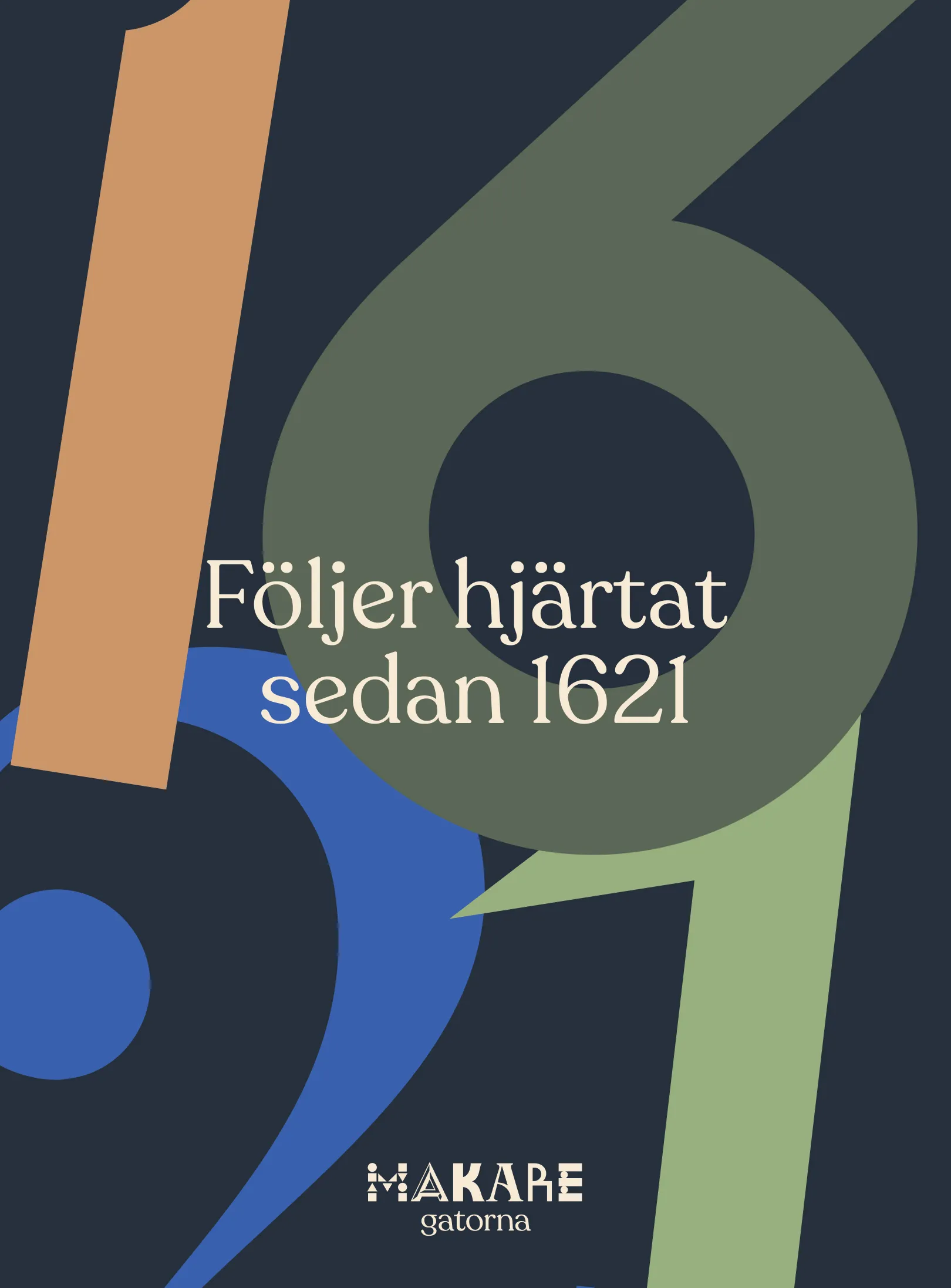
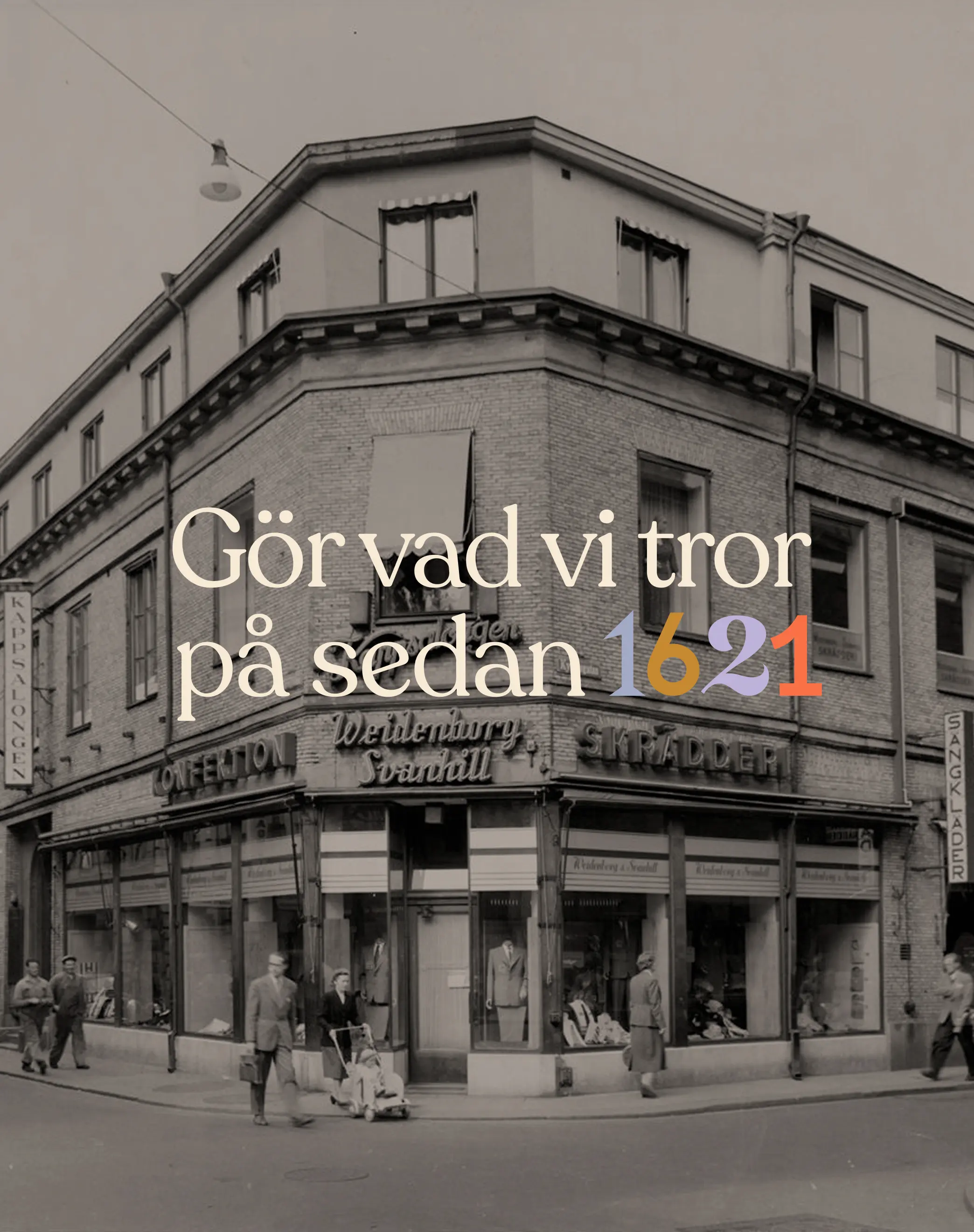
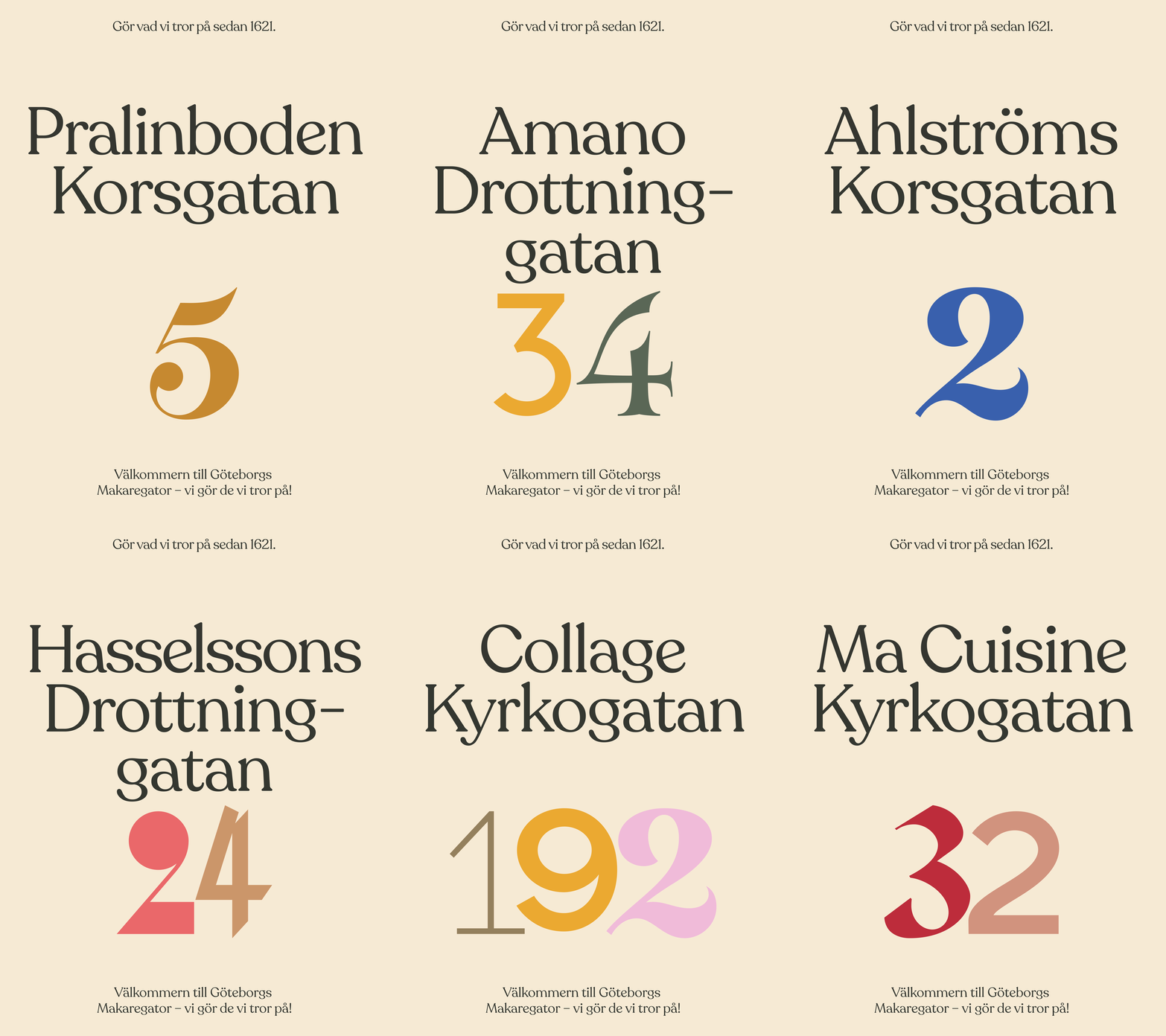
Across centuries, the streets had accumulated different address numbers, signs, letterforms, architectural details, colours and visual eras. The neighbourhood was an unlikely mix by nature — and so were the people and businesses that occupied it. Different trades, tastes, beliefs and subcultures shared the same few blocks.
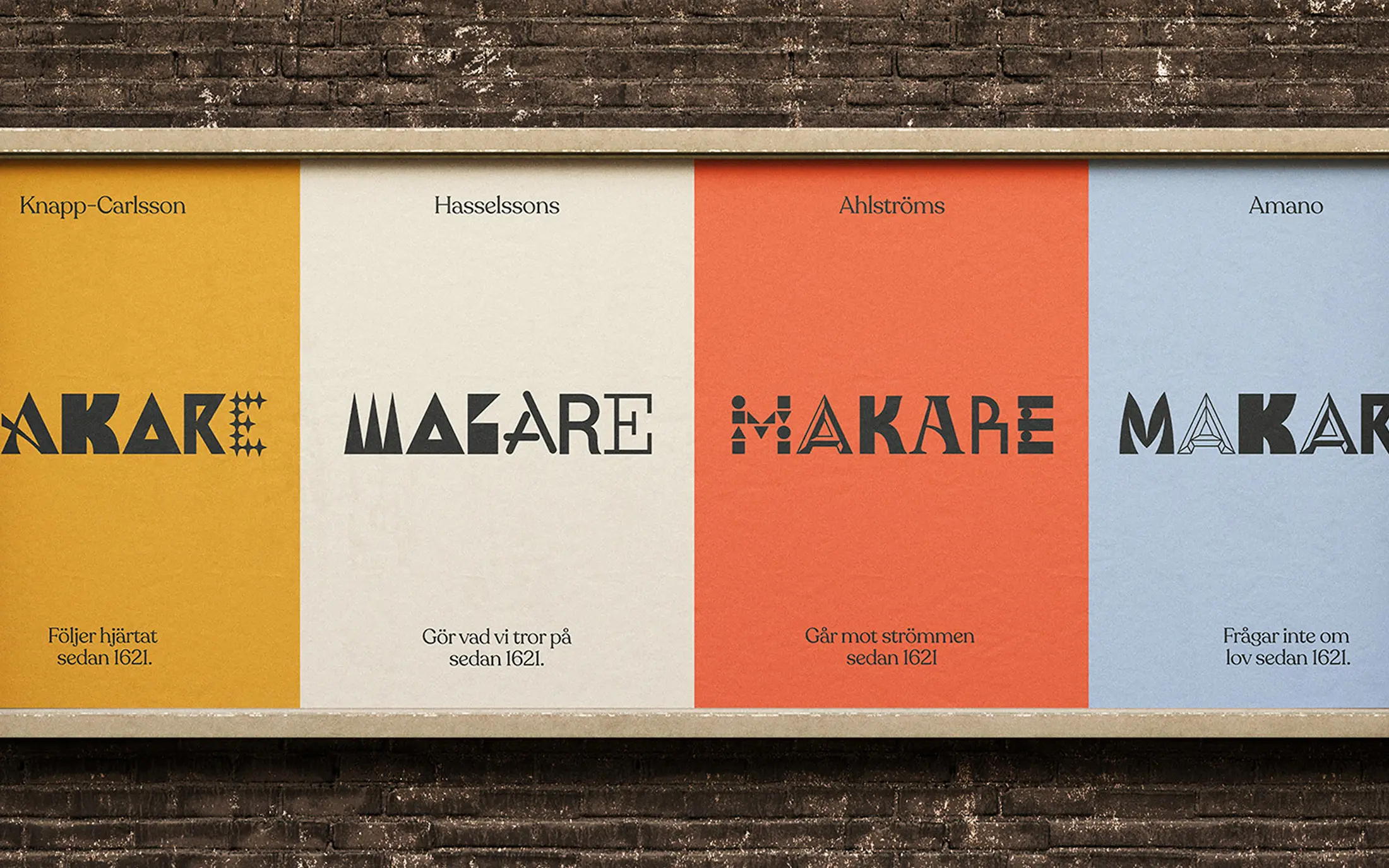
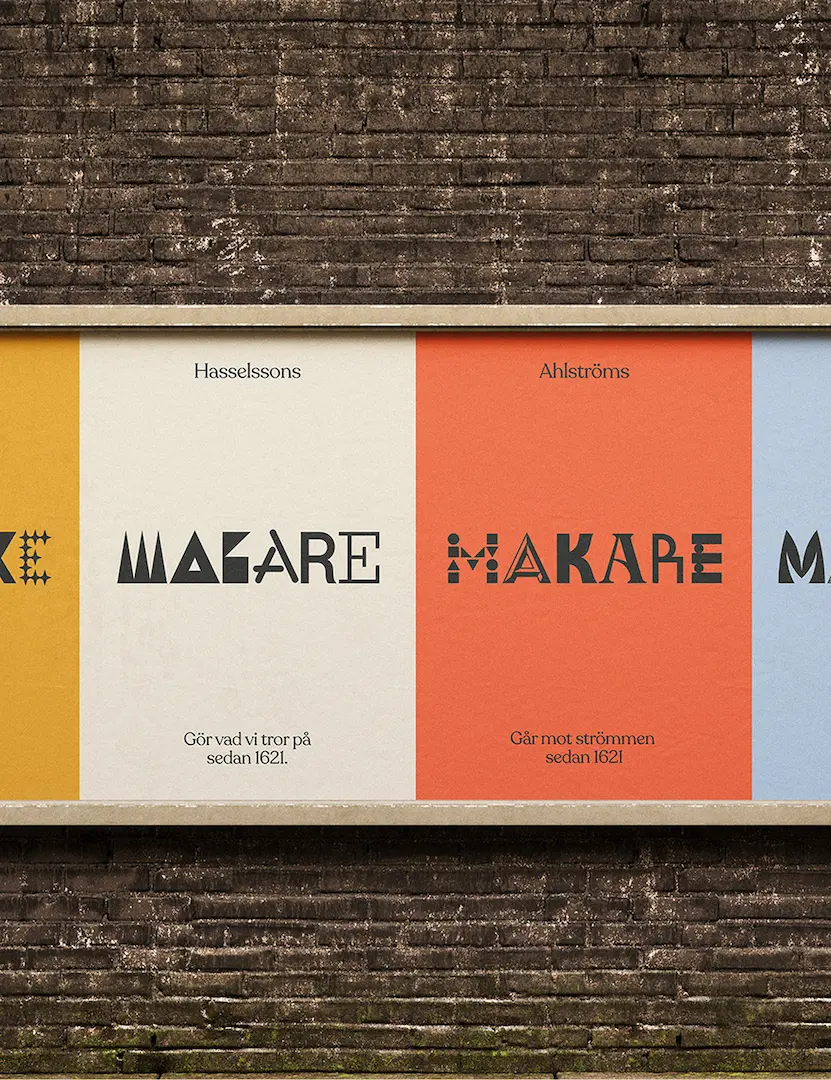
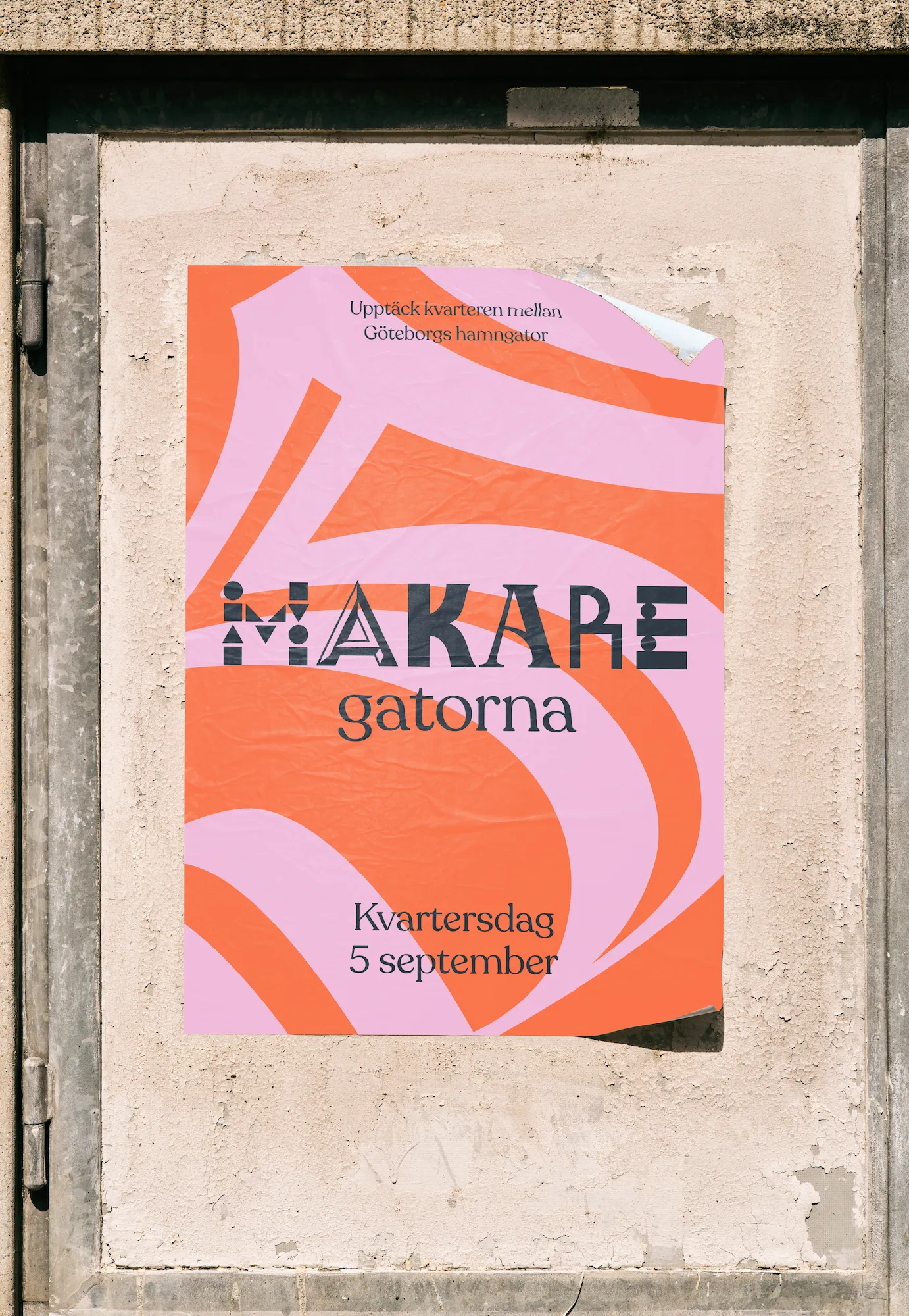
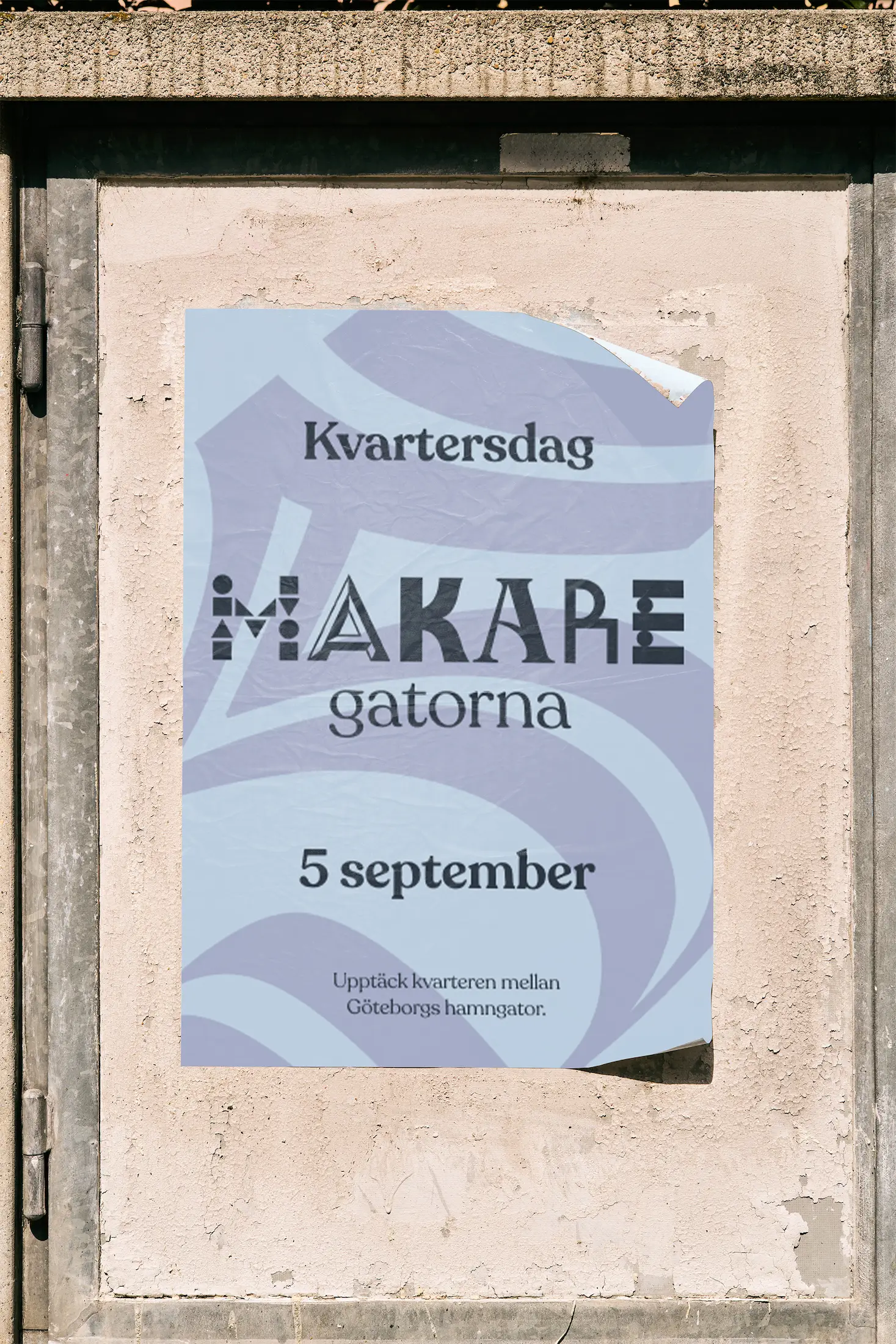
So instead of correcting the dissonance, we made it the system.
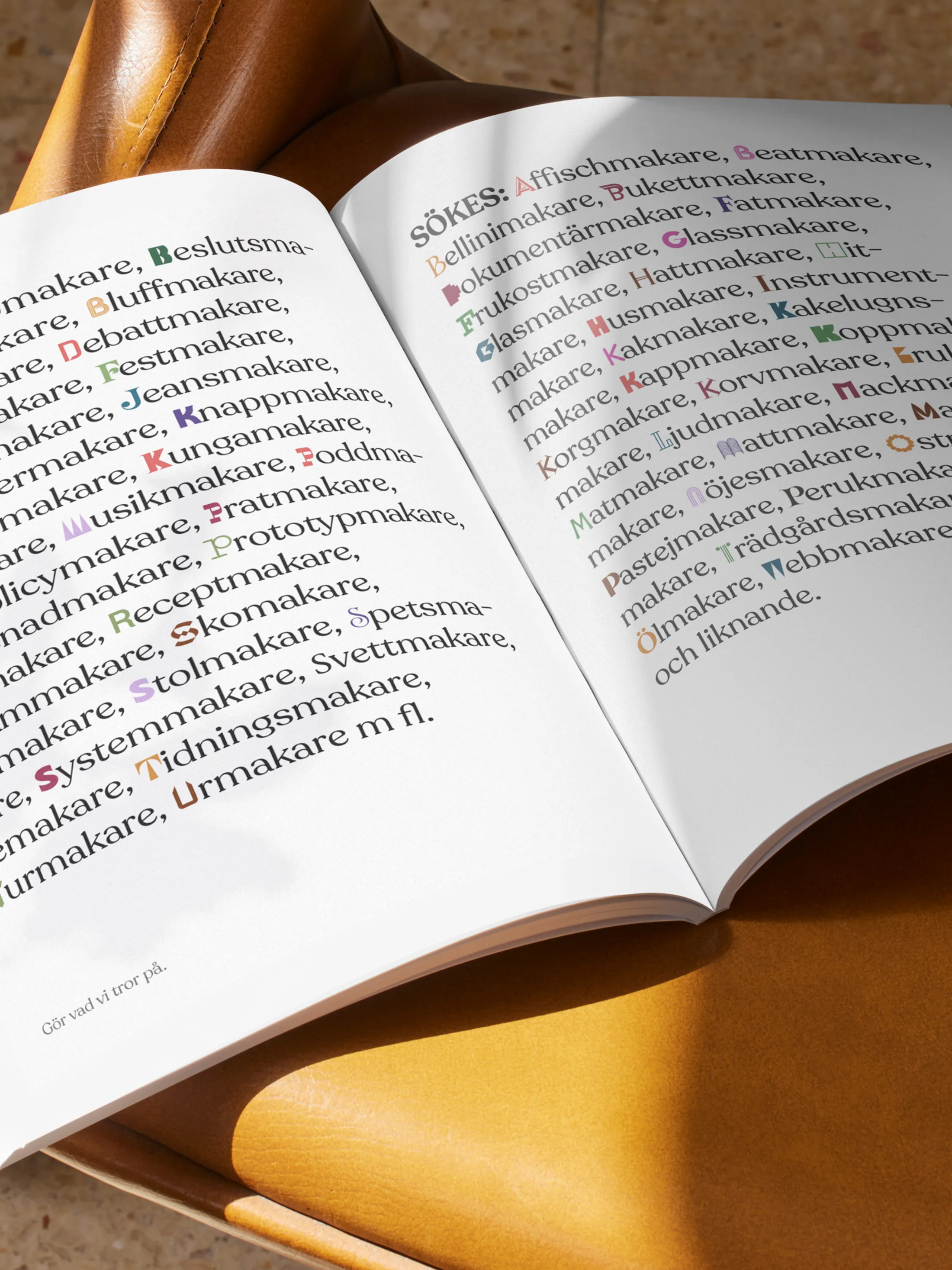
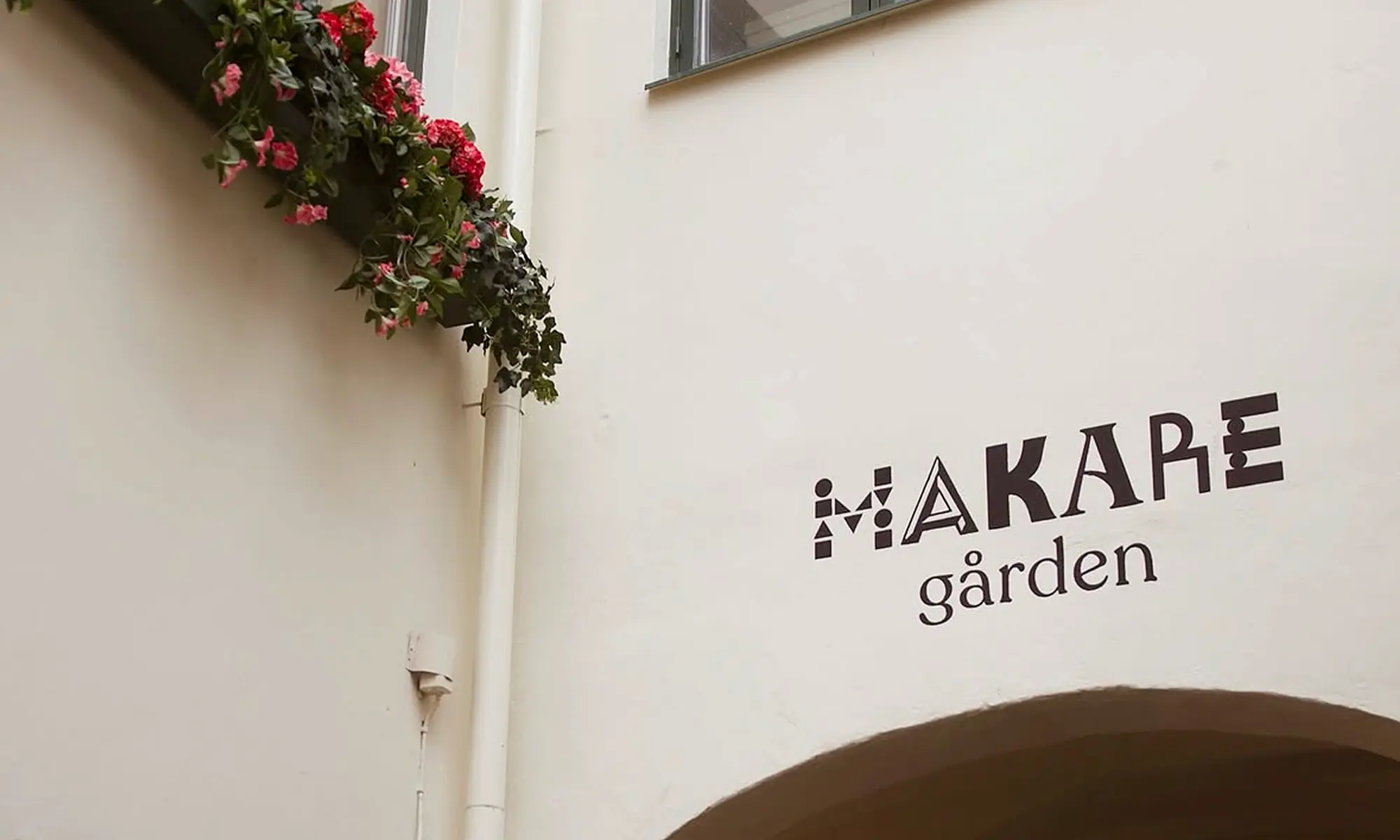
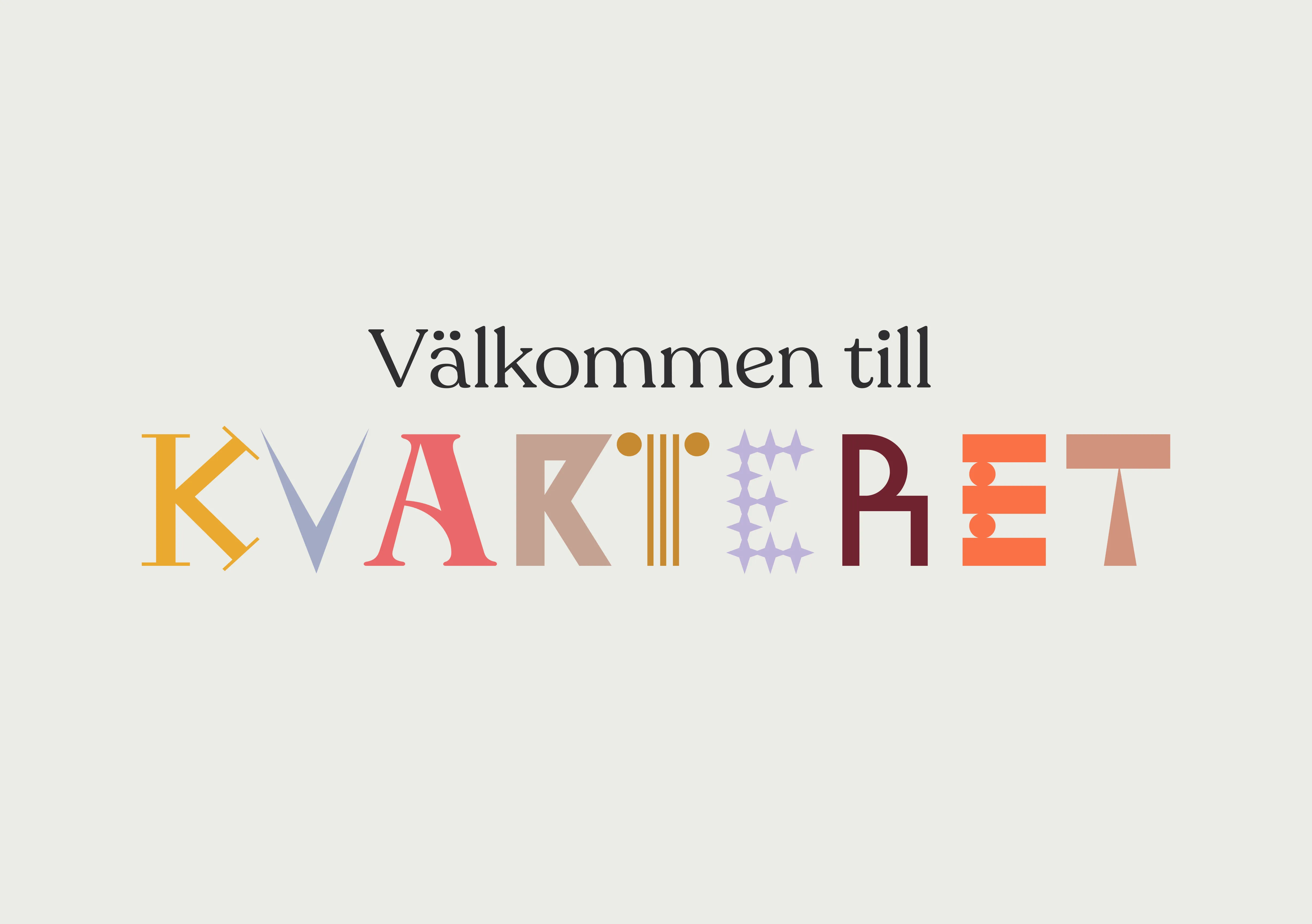
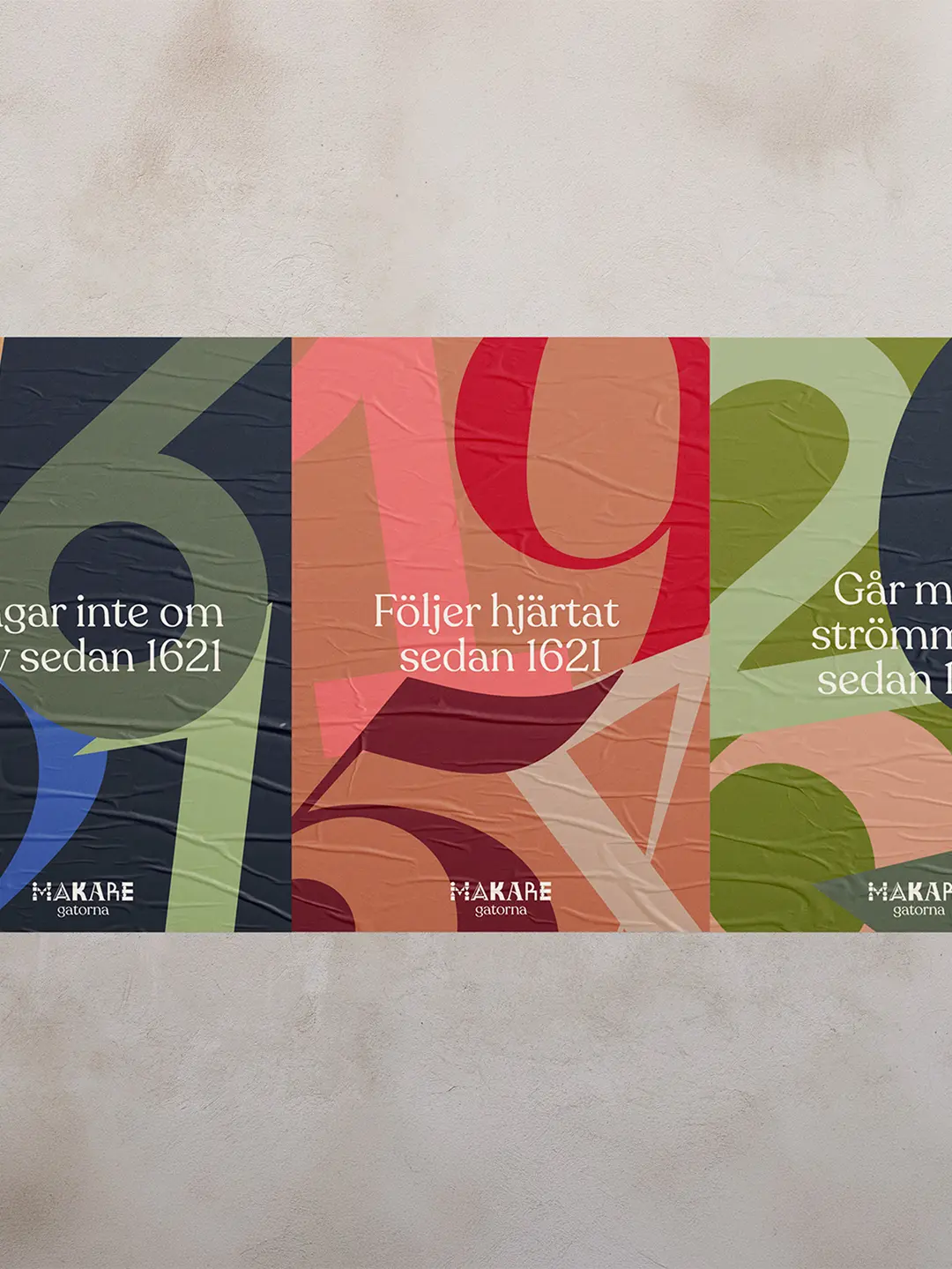
Letters could change shape. Colours could shift. Typography could collide. Historical numbers and addresses became graphic material rather than background decoration. The identity created recognition without requiring everything to look the same.
But a place needs more than a visual signature. It's need a name.
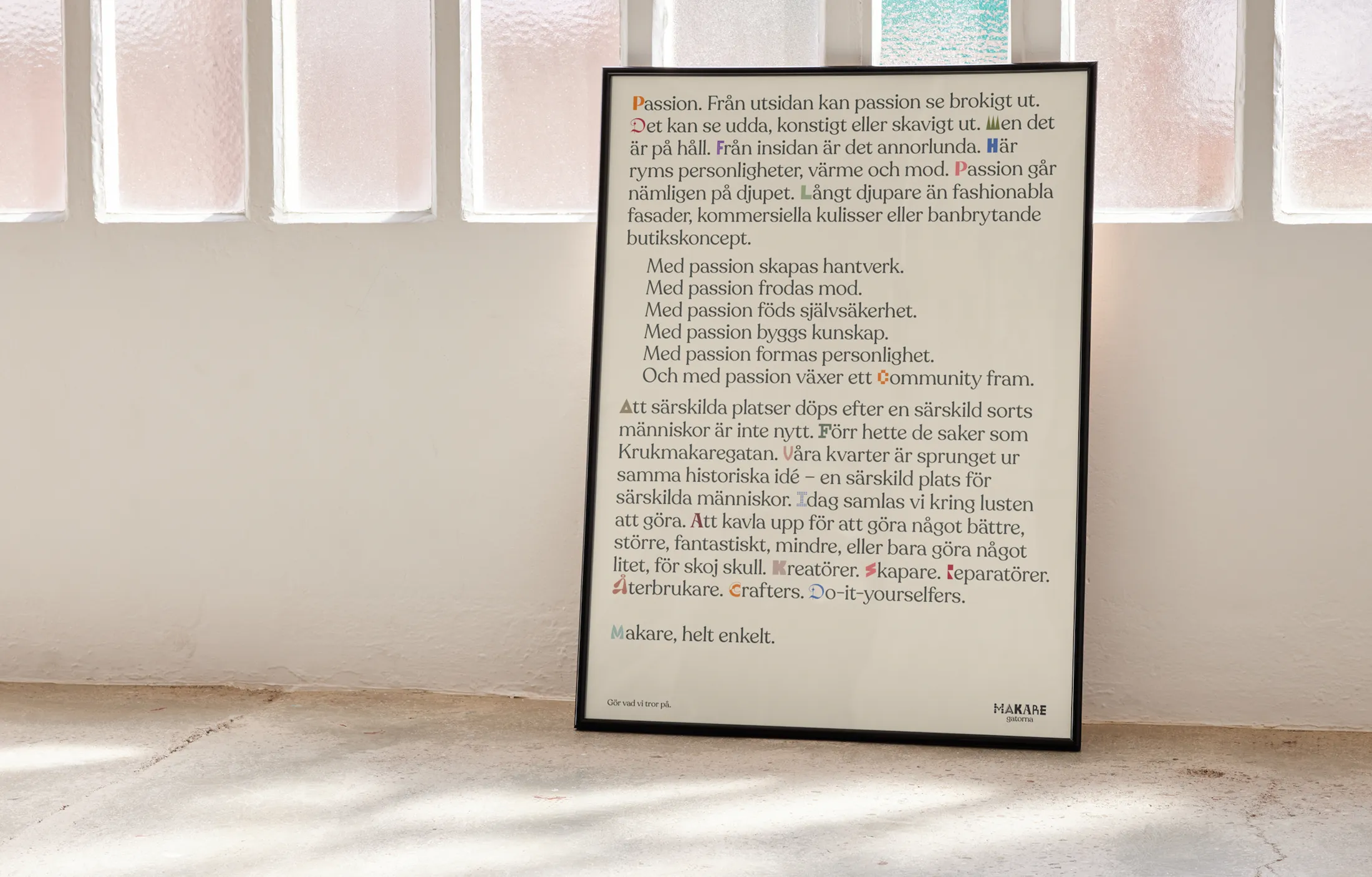
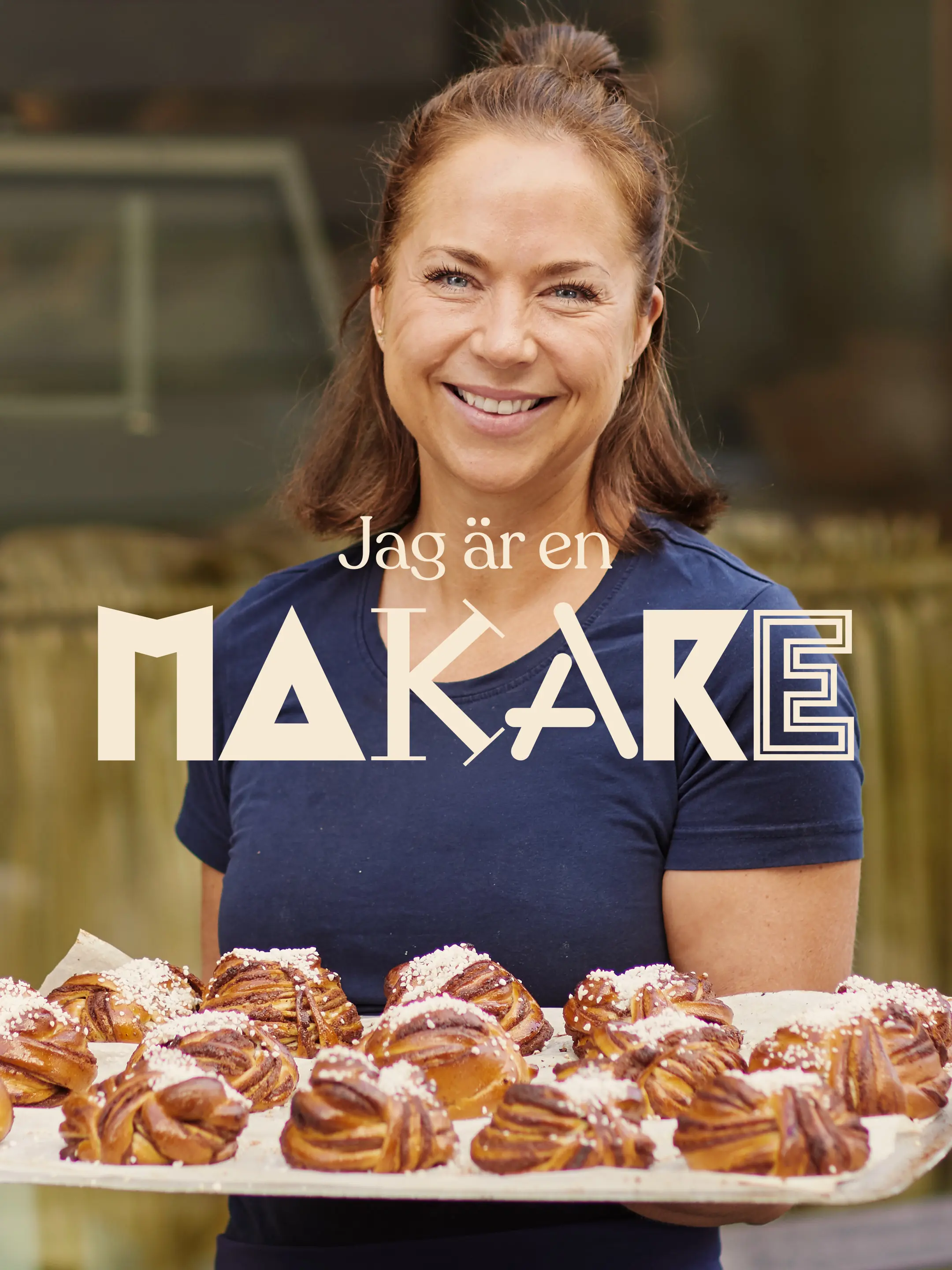
Historically, streets in Sweden were often named after the people who worked there. Krukmakaregatan(potmakerstreet). Skomakaregatan(shoemakerstreet). Looking around the neighbourhood, the same idea was still alive. People were making food, objects, culture, businesses, experiences and livelihoods of their own.
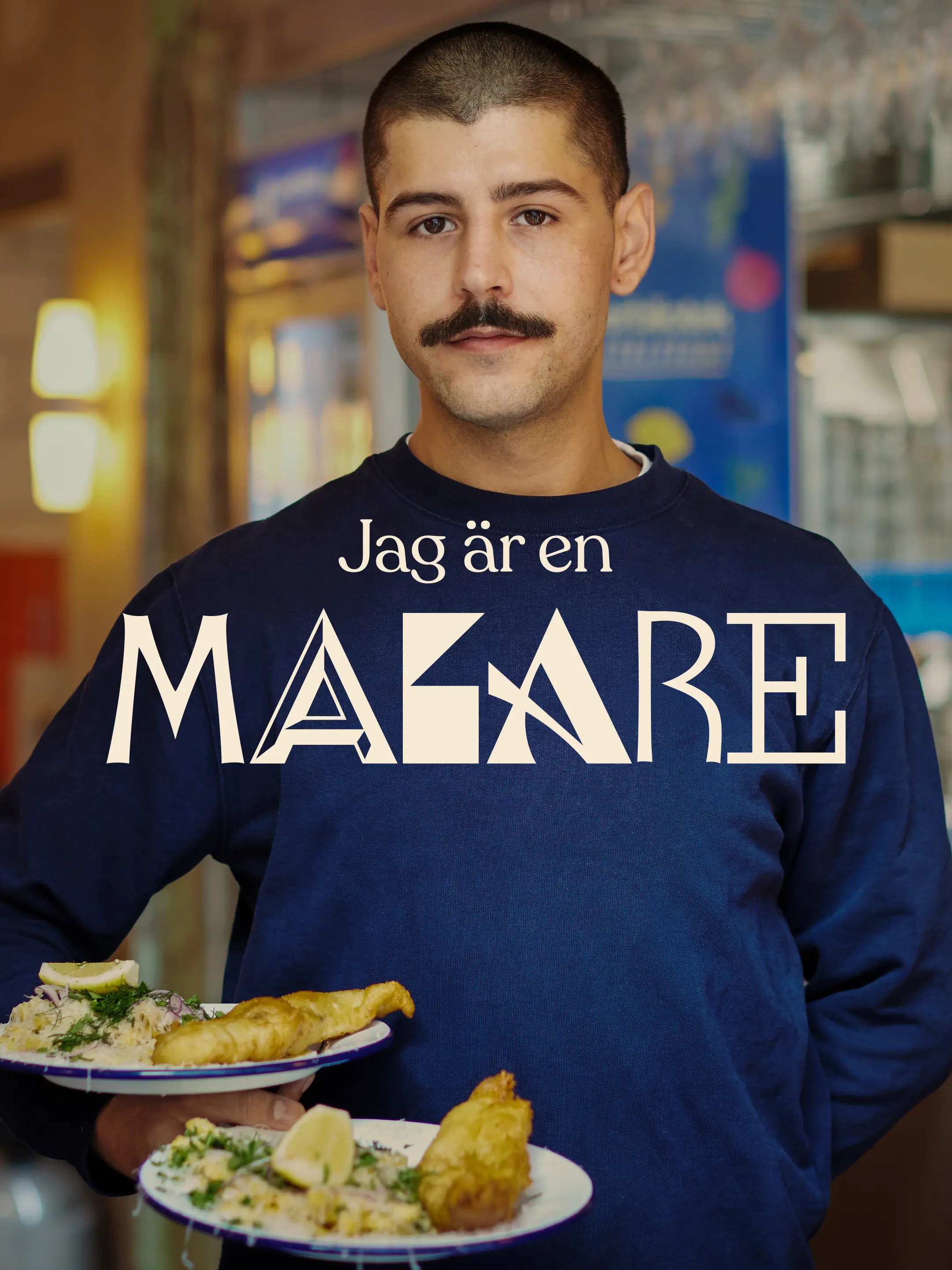
Makers, plain and simple.
That became Makaregatorna (Makerstreets): a name and an idea broad enough to hold all those individual businesses together without flattening them into a single proposition.
And because the concept was shaped with the people who make the neighbourhood, they became part of the identity itself. The visual and verbal system was built to keep absorbing new people, businesses and expressions as the streets change.
Today, Wallenstam runs much of the ongoing expression themselves.
Which was always the point. To deliver a system for making what was already there impossible to miss.
Built from what's already there
The identity was designed to do more than create recognition. Its value lies in the qualities built into the system — how it can adapt, generate, endure and remain useful as the neighbourhood changes.
Productive Friction
Difference without disorder. Contrasting typefaces, colours, eras and visual languages create character and recognition rather than being resolved into one uniform expression.
Activated Heritage
Existing signs, address numbers, letterforms and architectural traces become active material for the identity, allowing change to build on what was already there.


Built to keep becoming
Open Structure
New businesses, people and expressions can enter the system without requiring the identity to be redesigned around them.
Generative Range
A small set of principles can produce a wide variety of expressions, keeping the identity varied without constantly inventing new concepts.
Distributed Ownership
The system is robust enough to be used and developed by others without losing its character or requiring central control of every expression.